



In today’s highly competitive hospitality landscape, maximizing profitability requires far more than simply filling rooms. Hotels must leverage data, automation, analytics, and pricing intelligence to stay ahead. Revenue management has evolved into a strategic discipline powered by advanced digital tools that help hoteliers forecast demand, optimize pricing, and increase overall revenue per available room (RevPAR).
TLDR: Hotel revenue management tools help properties optimize pricing, forecast demand, and increase profitability through automation and data insights. From dynamic pricing systems to channel managers, these technologies reduce manual work while maximizing revenue opportunities. By integrating the right tools, hotels can improve occupancy, increase average daily rates, and gain a strong competitive edge.
Below are seven essential hotel revenue management tools that help maximize profits while improving operational efficiency.
1. Revenue Management Systems (RMS)
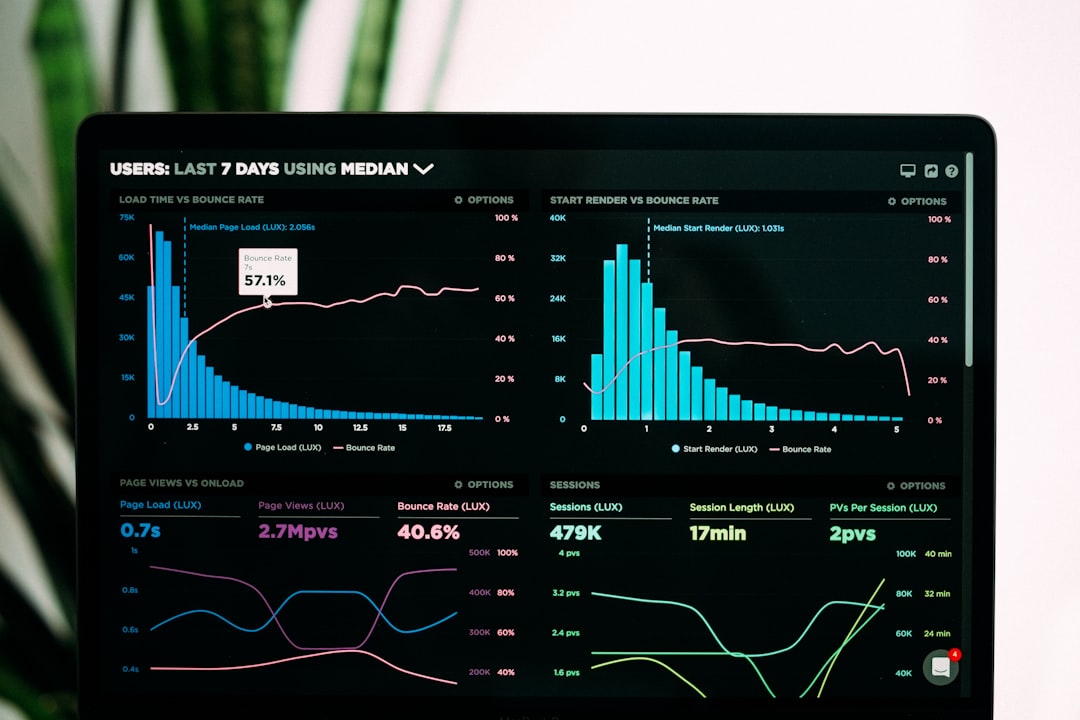
A Revenue Management System (RMS) is the backbone of modern hotel profitability strategy. It uses historical data, booking patterns, market trends, and competitor pricing to recommend optimal room rates.
Advanced RMS platforms rely on artificial intelligence and machine learning to:
- Forecast demand with high accuracy
- Automatically adjust room rates
- Analyze competitor pricing
- Identify high-value booking periods
Instead of relying on manual spreadsheets, hotels can automate complex calculations and make informed pricing decisions in real time.
Profit impact: Increased RevPAR, better occupancy forecasting, reduced pricing errors.
2. Channel Managers
Distribution plays a significant role in revenue generation. A channel manager allows hotels to distribute room inventory across multiple online travel agencies (OTAs), booking platforms, and their own website simultaneously.
Key benefits include:
- Real-time inventory updates
- Elimination of double bookings
- Rate parity across platforms
- Broader market reach
By keeping availability synchronized, hotels maximize exposure while maintaining control over pricing strategies. Integrated channel management ensures that rooms are always sold at the most profitable rate.
Profit impact: Higher occupancy rates, broader audience reach, minimized booking errors.
3. Dynamic Pricing Tools
Dynamic pricing tools automatically adjust room rates based on real-time supply and demand factors. These tools react instantly to changes such as:
- Local events or conferences
- Seasonal demand fluctuations
- Competitor price changes
- Booking pace variations
Rather than maintaining static pricing, dynamic systems ensure that rates reflect market conditions at all times. This prevents underpricing during high demand and overpricing during slow periods.
Hotels that embrace dynamic pricing often see significant improvements in revenue during peak periods.
Profit impact: Optimized room rates, improved margins during demand spikes, competitive market positioning.
4. Rate Shopping Tools
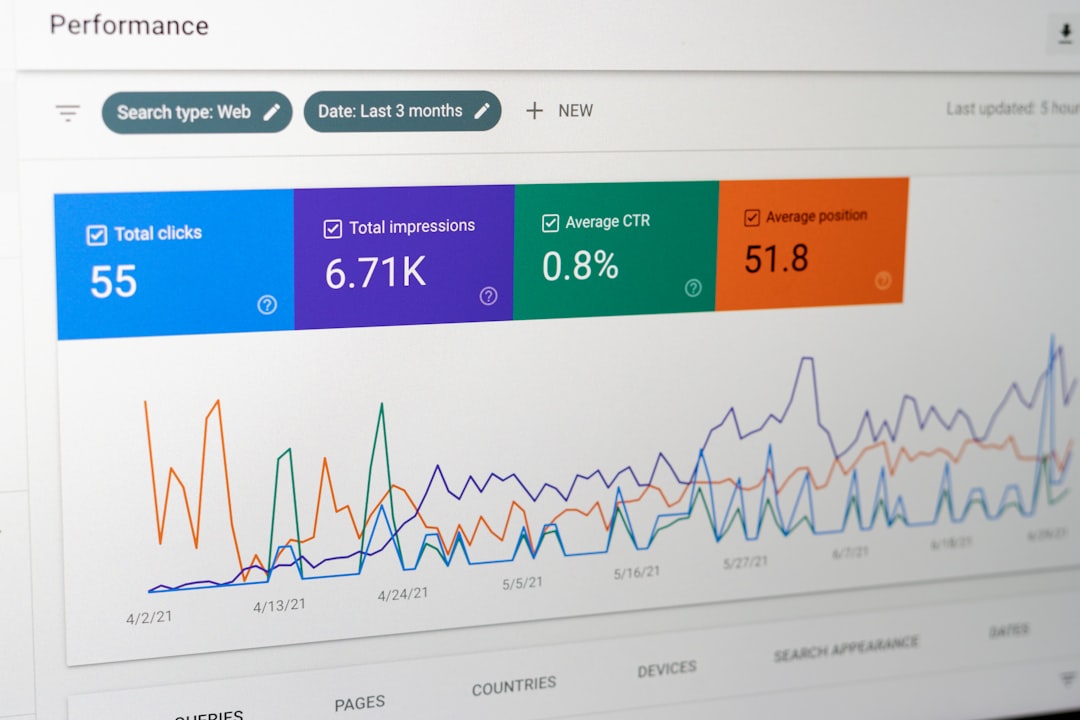
Competitive intelligence is essential in hospitality. Rate shopping tools monitor competitor pricing across the same market in real time.
These tools provide:
- Competitor rate comparisons
- Historical pricing data
- Market positioning insights
- Automated alerts for rate shifts
By understanding how competitors price similar rooms, hotels can adjust their strategy accordingly—whether that means undercutting rivals strategically or positioning themselves as premium offerings.
Profit impact: Stronger market positioning, strategic competitor response, reduced rate blind spots.
5. Business Intelligence (BI) and Analytics Platforms
Business intelligence tools transform raw operational data into actionable insights. These platforms consolidate information from RMS, PMS (property management systems), and channel managers.
Key functionalities include:
- Custom revenue performance reports
- KPI tracking (ADR, RevPAR, GOPPAR)
- Demand pattern identification
- Predictive forecasting models
Instead of operating reactively, hotel managers can make strategic long-term decisions backed by accurate analytics.
Profit impact: Improved strategic planning, better forecasting, enhanced operational decision-making.
6. Customer Relationship Management (CRM) Systems
Revenue management is not only about pricing; it’s also about guest behavior. A CRM system helps hotels collect and analyze guest data to optimize personalization and upselling efforts.
CRM tools allow hotels to:
- Segment guests based on booking behavior
- Launch targeted promotional campaigns
- Upsell room upgrades and packages
- Build loyalty programs
By understanding customer preferences, hotels can increase direct bookings and reduce dependency on high-commission OTAs.
Profit impact: Increased direct revenue, stronger guest loyalty, improved lifetime customer value.
7. Demand Forecasting Tools
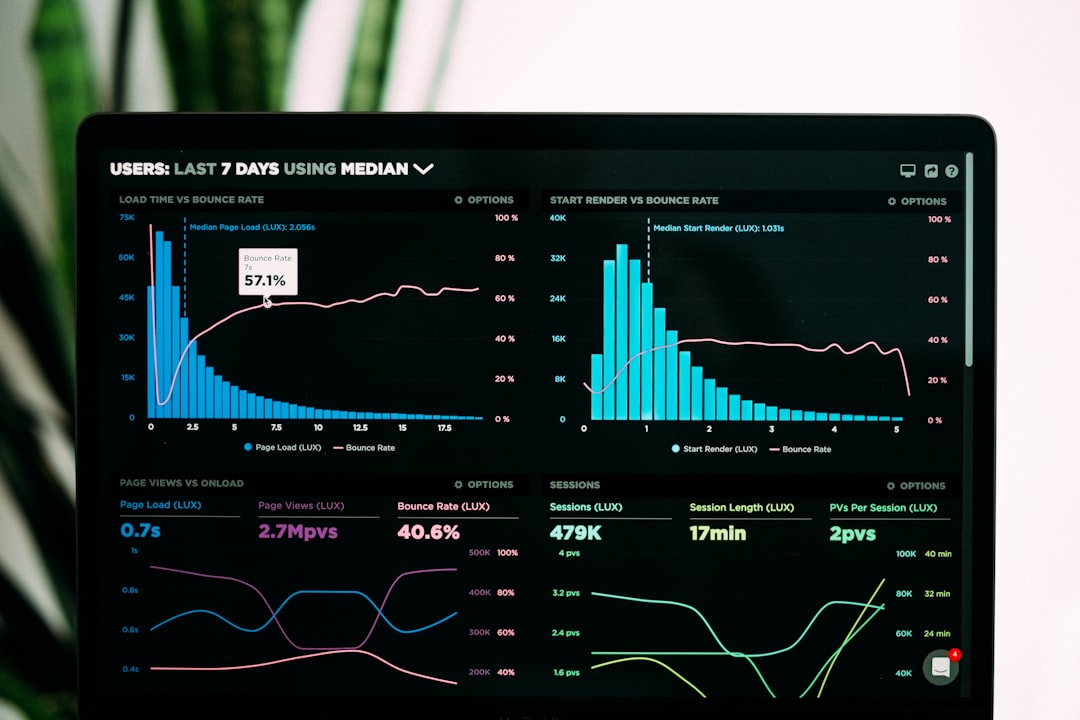
Demand forecasting tools use data modeling and historical performance to predict future occupancy trends. Accurate forecasting allows hotels to:
- Plan staffing more efficiently
- Adjust marketing spend strategically
- Create early-bird promotions
- Prepare pricing strategies ahead of demand surges
Forecasting tools are especially valuable during uncertain economic conditions, where visibility into future booking patterns can prevent profit losses.
Profit impact: Reduced operational waste, smarter pricing preparation, enhanced adaptability.
Comparison Chart of Hotel Revenue Management Tools
| Tool | Primary Function | Automation Level | Main Profit Benefit |
|---|---|---|---|
| Revenue Management System | Automated pricing and forecasting | High | Maximized RevPAR |
| Channel Manager | Inventory distribution | High | Increased occupancy |
| Dynamic Pricing Tool | Real-time price adjustments | High | Higher demand capture |
| Rate Shopping Tool | Competitor price tracking | Medium | Strategic pricing advantage |
| Business Intelligence Platform | Performance analytics | Medium to High | Smarter decision-making |
| CRM System | Guest data and marketing | Medium | Increased direct bookings |
| Demand Forecasting Tool | Occupancy prediction | High | Improved operational planning |
The Power of Integration
While each tool offers strong standalone benefits, the true profit-boosting power lies in integration. When RMS, CRM, channel managers, and BI platforms work together, hotels gain a unified view of performance and can automate decision-making processes.
Integrated systems reduce manual errors, save staff time, and ensure consistent data flow across departments. This synergy leads to better forecasting accuracy, more personalized guest engagement, and stronger revenue optimization.
Hotels that invest in a well-connected revenue technology ecosystem position themselves for sustainable long-term growth rather than short-term gains.
Frequently Asked Questions (FAQ)
1. What is hotel revenue management?
Hotel revenue management is the practice of strategically pricing and distributing rooms to maximize profitability. It involves forecasting demand, analyzing competitor rates, and adjusting pricing based on market conditions.
2. Are revenue management tools only for large hotels?
No. While large hotel chains were early adopters, many modern revenue management solutions are scalable and affordable for small and mid-sized properties.
3. How quickly can a hotel see results?
Many hotels notice improvements in occupancy and average daily rates within a few months of implementing automated pricing and forecasting tools.
4. Do these tools replace revenue managers?
No. They enhance the work of revenue managers by providing data-driven insights and automation. Strategic decision-making still requires human expertise.
5. What is the most important tool to start with?
For most hotels, a Revenue Management System is the foundational tool. However, pairing it with a channel manager typically yields the fastest financial impact.
6. Can these tools help reduce OTA commissions?
Yes. CRM systems and direct booking optimization strategies help drive more direct reservations, reducing reliance on third-party platforms.
Conclusion: In an industry where margins can be tight, leveraging the right revenue management tools is no longer optional—it is essential. From advanced pricing automation to in-depth demand forecasting, these technologies empower hotels to make smarter decisions, respond quickly to market changes, and ultimately maximize profits. By thoughtfully selecting and integrating the right solutions, hotels can transform revenue management from a reactive process into a strategic growth engine.