



Modern agriculture is no longer driven by instinct alone. Today’s farmers are combining generations of hands-on experience with the power of real-time data, predictive analytics, and mobile technology. From monitoring soil health to forecasting weather patterns and tracking equipment efficiency, agricultural apps are transforming how decisions are made in the field. With global pressures like climate change, rising input costs, and increasing food demand, data-backed insights are becoming essential for profitability and sustainability.
TLDR: Data-driven agriculture apps help farmers monitor crops, predict weather impacts, optimize resources, and increase profitability. Tools like Climate FieldView, Granular, FarmLogs, John Deere Operations Center, and Agrivi turn raw field data into clear, actionable insights. These platforms improve efficiency, reduce waste, and help farmers make smarter decisions season after season. By leveraging mobile technology, modern farmers gain a competitive edge in an increasingly complex industry.
Below are five powerful agriculture apps that are helping farmers make smarter decisions using actionable data insights.
1. Climate FieldView
Best for: Advanced field mapping and performance analysis
Climate FieldView is one of the most widely used digital farming platforms in North America. It collects and analyzes field data to provide farmers with detailed visual insights into their operations.
What makes FieldView stand out is its ability to integrate data from multiple sources, including:
- Planting and harvest equipment
- Satellite imagery
- Soil sampling results
- Weather data
Farmers can view interactive maps that show crop health variability across fields. This makes it easier to identify underperforming zones, adjust seeding rates, and optimize fertilizer application. Instead of applying uniform treatments, producers can adopt precision agriculture practices that reduce waste and increase yield.
One of the most valuable features is side-by-side hybrid performance comparison. Farmers can quickly evaluate which seed varieties perform best under specific conditions, helping to refine future planting decisions.
Why it matters: Field-level insights reduce guesswork and allow farmers to make adjustments before small problems become costly ones.
2. Granular
Best for: Farm management and financial planning
While crop health data is critical, operational efficiency is equally important. Granular focuses on the business side of farming. It helps producers manage land, labor, inputs, and finances in a single digital system.
Granular allows farmers to:
- Create detailed crop budgets
- Track input costs in real time
- Monitor equipment usage
- Manage workforce schedules
- Analyze profitability by field
This app transforms financial data into easy-to-understand dashboards. Farmers can instantly see cost-per-acre metrics and compare projected revenue against current market prices.
What makes Granular unique is its ability to connect operational data with financial outcomes. For example, if fertilizer costs spike mid-season, farmers can immediately assess how adjustments will impact overall profitability.
Why it matters: Farming is both an agricultural and financial venture. Having clear cost visibility enables smarter investment decisions and long-term sustainability.
3. FarmLogs
Best for: Real-time crop health monitoring and weather tracking
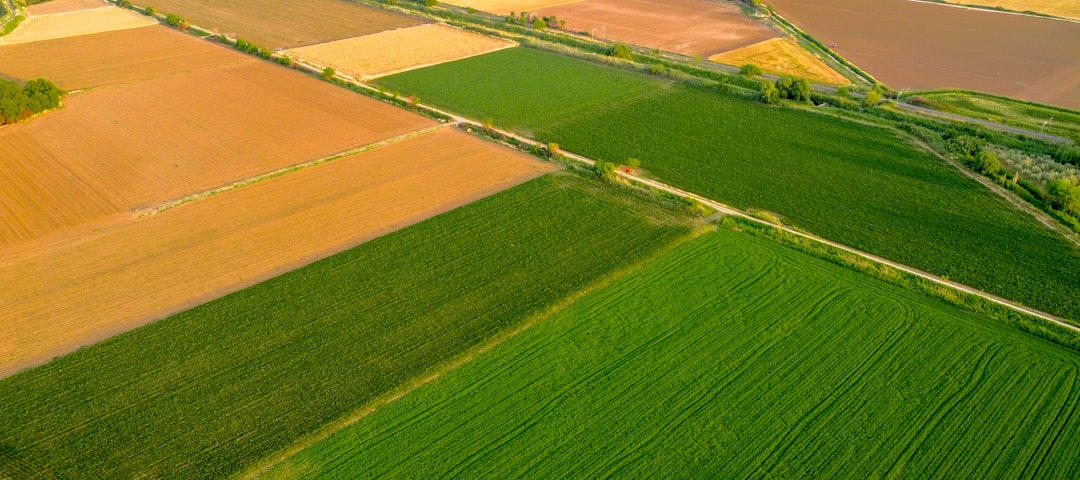
FarmLogs provides powerful monitoring tools through a user-friendly mobile interface. It uses satellite imagery and local weather data to give farmers near real-time visibility into crop performance.
Key features include:
- Vegetation health index maps
- Rainfall tracking and historical comparisons
- Scouting tools for field observations
- Automated alerts for crop stress
The satellite-based health imaging highlights anomalies within fields. If a specific section of crops shows stress, farmers can investigate quickly rather than waiting for visible signs of damage.
Another major benefit is localized weather tracking. Farming is highly weather-dependent, and having hyperlocal forecasts helps producers decide when to irrigate, spray, or harvest.
Why it matters: Early detection allows for timely interventions, which can significantly boost yields and minimize losses.
4. John Deere Operations Center
Best for: Equipment data integration and machine performance insights
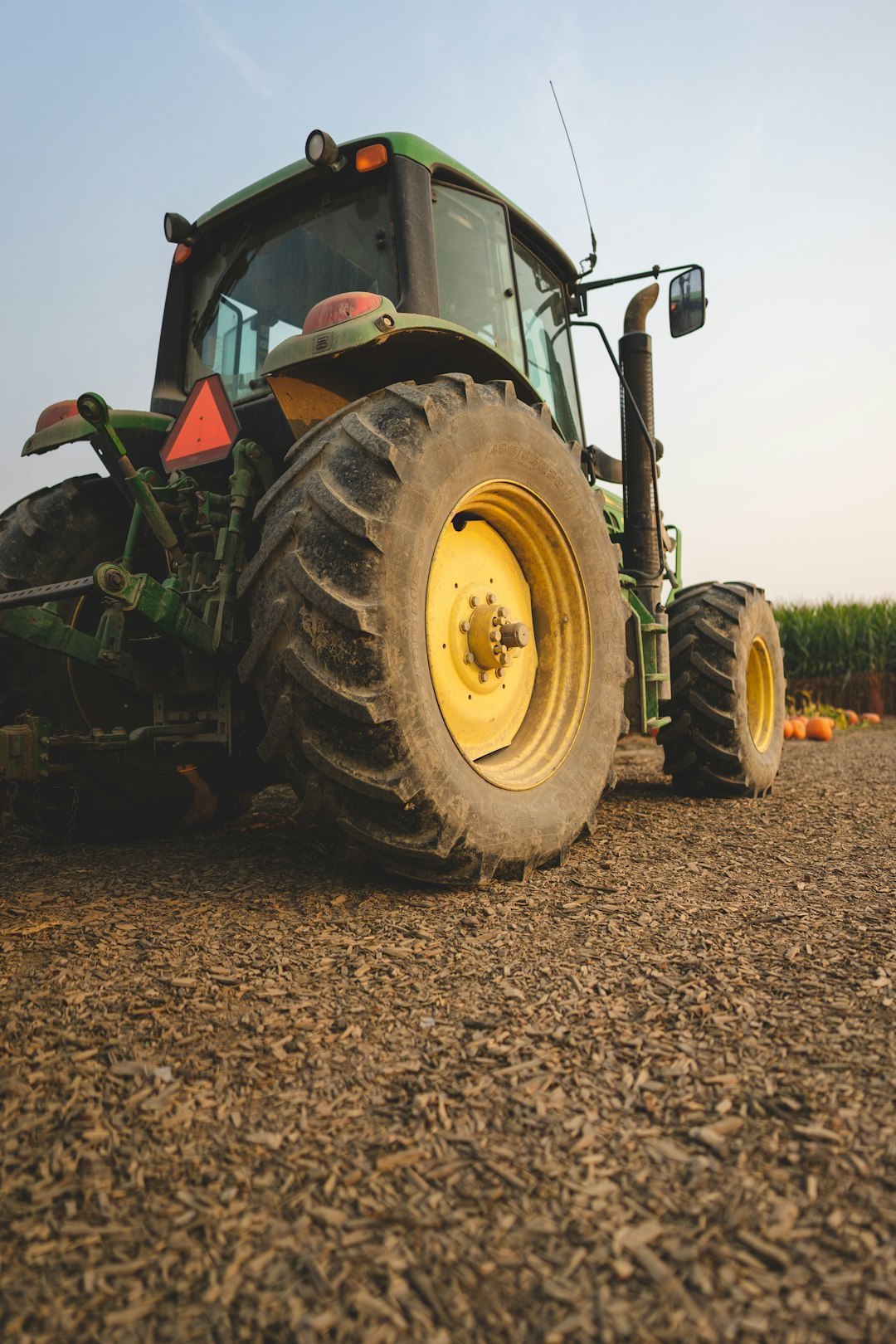
Machinery is one of the largest investments on any farm. The John Deere Operations Center helps farmers maximize that investment through equipment connectivity and performance analytics.
The platform syncs directly with compatible machinery, collecting data such as:
- Fuel usage
- Planting rates
- Harvest yields
- Machine location and activity
This data is stored in the cloud and accessible from smartphones or computers. Farmers can monitor field operations in near real time, even if they are off-site.
For example, if a planter is operating at inconsistent seeding rates, the system flags the issue. Managers can intervene quickly, preventing uneven crop stands and lost yield potential.
Beyond individual machine insights, the app also supports data sharing with agronomists and advisors, creating a more collaborative decision-making process.
Why it matters: Connected machinery improves accuracy, reduces downtime, and enhances operational efficiency across large acreages.
5. Agrivi
Best for: Comprehensive farm management and compliance tracking
Agrivi is a global farm management solution designed for farms of various sizes. It combines agronomic recommendations with operational tracking tools.
The app supports:
- Crop-specific management guidance
- Pest and disease risk alerts
- Inventory tracking
- Labor management
- Regulatory compliance documentation
Agrivi’s pest and disease prediction system is especially powerful. It uses weather conditions and crop growth stage data to forecast potential outbreaks. Farmers receive alerts and suggested treatments before infestations escalate.
This predictive capability reduces excessive pesticide use while maintaining crop protection standards.
Why it matters: Integrating agronomy expertise with farm records helps ensure both productivity and regulatory compliance.
Comparison Chart: Top Agriculture Data Apps
| App | Primary Focus | Key Strength | Best For | Data Integration |
|---|---|---|---|---|
| Climate FieldView | Field mapping and crop performance | Advanced visualization tools | Precision crop management | Machinery, satellite, weather |
| Granular | Financial and operational management | Budgeting and cost analysis | Profitability tracking | Operational and accounting data |
| FarmLogs | Crop health and weather monitoring | Satellite-based health alerts | Early issue detection | Satellite and weather feeds |
| John Deere Operations Center | Equipment performance analytics | Machine connectivity | Large-scale mechanized farms | Connected farm machinery |
| Agrivi | Comprehensive farm management | Pest and disease forecasting | Integrated farm oversight | Agronomic and operational data |
How Data Apps Are Reshaping Agriculture
The true value of these apps extends beyond convenience. They are part of a broader shift toward data-driven agriculture, sometimes called smart farming or digital farming.
This transformation is delivering measurable benefits:
- Higher yields: Data-guided decisions optimize every input.
- Lower input costs: Precision applications reduce waste.
- Improved sustainability: Data minimizes environmental impact.
- Better risk management: Predictive insights reduce uncertainty.
Instead of relying solely on past experience, farmers can now compare multi-year performance data, simulate planting scenarios, and anticipate weather-driven risks. This shift empowers producers to proactively manage their operations rather than reacting to problems after they occur.
The Future of Data-Driven Farming
As technology advances, agriculture apps are becoming even more powerful. Artificial intelligence, machine learning, and improved satellite resolution are enhancing predictive accuracy. Soon, apps may offer even more sophisticated recommendations, such as automated prescription maps and autonomous equipment coordination.
Connectivity will also continue to improve in rural areas, expanding access to real-time insights. With more connected devices in the field, data collection will become increasingly seamless and automated.
For farmers, the message is clear: embracing digital tools is no longer optional for those who want to stay competitive. The farms that thrive in the coming decades will be those that combine traditional expertise with cutting-edge analytics.
Final Thoughts
Agriculture has always required careful decision-making under uncertain conditions. Today’s mobile apps provide farmers with unprecedented clarity, turning massive amounts of raw data into meaningful, actionable insights.
Whether it’s optimizing planting strategies with Climate FieldView, managing profitability through Granular, monitoring crop health with FarmLogs, analyzing machine performance using John Deere Operations Center, or forecasting pest risks via Agrivi, these tools empower farmers to make smarter, faster decisions.
In a world where every acre counts and every input matters, data is becoming the most valuable crop of all.