


Serverless databases are everywhere. Startups love them. Enterprise teams rely on them. Developers praise them. Neon made waves with its modern take on serverless PostgreSQL. It offers branching, autoscaling, and usage-based pricing. Pretty cool, right?
But it is not the only option. Not even close.
Many teams explore alternatives. Reasons vary. Pricing surprises. Feature gaps. Compliance needs. Performance goals. Or just curiosity.
TLDR: Neon is powerful, but it is not your only choice for serverless PostgreSQL. Platforms like Supabase, Amazon Aurora Serverless, Google Cloud SQL, Azure Flexible Server, and Crunchy Bridge offer similar or better features depending on your needs. The best option depends on scale, budget, integrations, and control preferences. Choosing wisely can save money and headaches later.
Let’s explore some exciting platforms businesses consider instead of Neon. We’ll keep it simple. And maybe even fun.
1. Supabase
Supabase calls itself the open source Firebase alternative. But at its core lives PostgreSQL. Real PostgreSQL. Not a limited version.
It feels friendly. It looks clean. It bundles features together.
- Built-in authentication
- Auto-generated REST and GraphQL APIs
- Edge functions
- Storage support
- Real-time subscriptions
This makes Supabase attractive for product teams. You get more than just a database. You get a backend platform.
It also offers usage-based pricing. Similar to Neon. But sometimes pricing feels easier to predict.
Supabase is great for:
- Startups building fast
- SaaS apps
- Developers who love open source
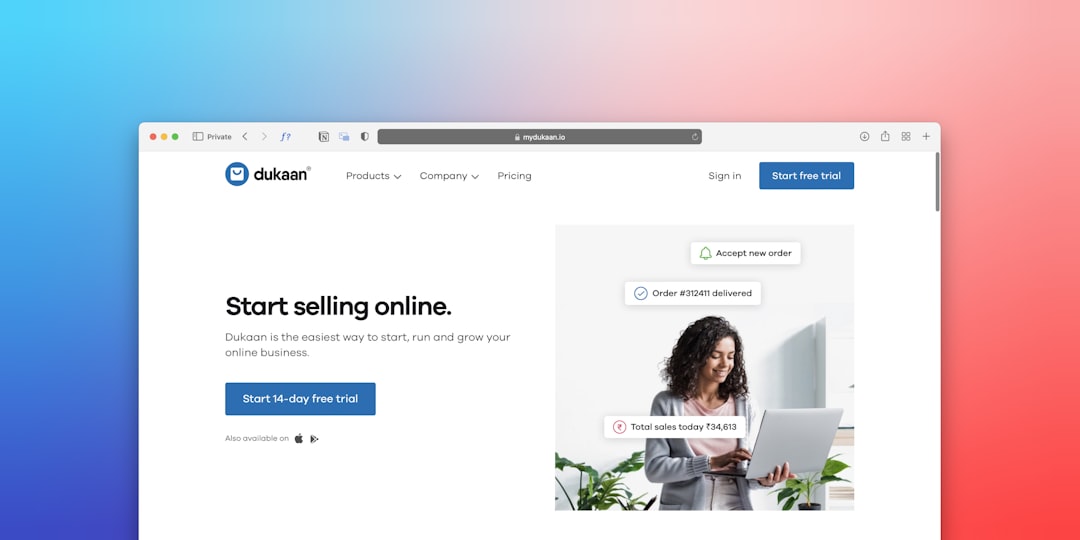
Many teams like the all-in-one experience. Less stitching tools together. Less setup pain.
2. Amazon Aurora Serverless v2
Now we move into the giant zone. AWS.
Amazon Aurora Serverless v2 supports PostgreSQL compatibility. It auto-scales based on workload. It can scale in seconds.
This is big-league power.
Aurora Serverless v2 offers:
- Fine-grained scaling increments
- High availability
- Deep AWS integration
- Strong security controls
It works beautifully if your stack already lives in AWS. IAM roles. VPC networking. Lambda functions. Everything connects smoothly.
But there is complexity. AWS dashboards can overwhelm newcomers. Pricing can feel like solving a math puzzle.
Aurora is great for:
- High-growth companies
- Enterprise systems
- Complex infrastructure needs
If Neon feels lightweight, Aurora feels industrial.
3. Google Cloud SQL
Google Cloud SQL offers fully managed PostgreSQL. It is not “pure” serverless in branding. But it offers flexible scaling and automation.
You get:
- Automatic backups
- High availability options
- Maintenance automation
- Strong integration with GCP services
For businesses already using BigQuery, Firebase, or Cloud Run, this is a natural extension.
Cloud SQL focuses more on stability than flashy features like branching. It is steady. Reliable. Predictable.
Image not found in postmeta
It is ideal for:
- Data-heavy applications
- Analytics platforms
- Apps running inside Google Cloud
It may not market itself as trendy. But it is dependable.
4. Microsoft Azure Database for PostgreSQL Flexible Server
Microsoft’s Azure platform offers PostgreSQL with flexible scaling. Again, not branded as flashy serverless. But very capable.
Azure’s strengths include:
- Enterprise-grade compliance
- Hybrid cloud support
- Strong integration with Microsoft tools
- Custom maintenance windows
If your team already uses Azure Active Directory, .NET, or Microsoft services, this feels natural.
Azure focuses heavily on enterprise customers. That means governance and reliability are top priorities.
It is perfect for:
- Corporate IT environments
- Regulated industries
- Companies needing Microsoft alignment
Neon feels startup-friendly. Azure feels boardroom-ready.
5. Crunchy Bridge
Crunchy Bridge takes a different approach. It focuses entirely on PostgreSQL. Deep expertise. Sharp tools.
Crunchy Data has long been respected in the Postgres community. Bridge is their managed platform offering.
Features include:
- High availability by default
- Strong security posture
- Performance tuning
- Transparent pricing
It feels crafted. Not bloated.
Image not found in postmetaCrunchy Bridge is attractive for teams that:
- Care deeply about Postgres internals
- Want expert-level support
- Prefer simplicity over ecosystem bundling
It may not push serverless marketing. But it delivers strong managed PostgreSQL.
6. Render PostgreSQL
Render is rising fast. It offers managed Postgres alongside app hosting. Think simple deployment experience.
Render focuses on developer experience. Clean UI. Simple pricing. Smooth scaling.
It works well for:
- Indie hackers
- Small SaaS teams
- Developers migrating from Heroku
It may not have neon-style branching. But its simplicity wins fans.
7. Railway
Railway makes infrastructure feel playful. You deploy fast. You scale quickly. You connect databases easily.
Its PostgreSQL offering integrates tightly with app deployment.
Teams like it because:
- Setup feels instant
- Pricing starts affordable
- Environments are easy to clone
It is great for prototypes. Small products. Early traction startups.
It may not match Aurora’s horsepower. But it gets you rolling quickly.
Comparison Chart
| Platform | Best For | Scaling Style | Ecosystem Strength | Complexity Level |
|---|---|---|---|---|
| Supabase | Startups and SaaS | Usage based autoscaling | Strong built-in tools | Low to Medium |
| Aurora Serverless v2 | Enterprise and high scale | Fine grained autoscaling | Deep AWS integration | High |
| Google Cloud SQL | Data heavy apps | Managed scaling | Strong GCP ecosystem | Medium |
| Azure Flexible Server | Corporate IT | Configurable scaling | Microsoft ecosystem | Medium to High |
| Crunchy Bridge | Postgres purists | Managed performance scaling | Postgres focused | Medium |
| Render | Small dev teams | Simplified autoscaling | App hosting included | Low |
| Railway | Prototypes and MVPs | Simple scaling | Developer friendly tools | Low |
What to Consider Before Choosing
Choosing a serverless PostgreSQL platform is not just about features.
Ask yourself:
- How fast will we grow?
- Do we need global replication?
- Is compliance critical?
- What ecosystem are we already using?
- Do we value simplicity or deep control?
Neon shines in branching and scale-to-zero workflows. That is amazing for development environments. Very cost-efficient.
But some businesses need:
- Stronger enterprise compliance
- Integrated cloud IAM controls
- Simpler bundled backend services
- Deeper performance tuning
No platform is perfect. Each makes trade-offs.
The Big Takeaway
Serverless PostgreSQL is evolving fast. What was revolutionary two years ago is becoming standard.
Neon deserves its attention. It pushed innovation forward.
But competition is fierce. And that is good news for you.
You can:
- Optimize for cost
- Optimize for performance
- Optimize for ecosystem fit
- Optimize for developer happiness
The best database platform is the one that fits your workflow. Not the one with the loudest marketing.
Take time. Experiment. Benchmark workloads. Compare bills.
Because once your product grows, switching gets harder.
Choose wisely. Build boldly. And let your PostgreSQL power your next big idea.