


Human Resources has evolved from an administrative support function into a central driver of organizational performance. In an environment defined by digital transformation, shifting workforce expectations, and global competition, traditional HR practices are no longer sufficient. TheHRWP—The Human Resources Workforce Platform—represents a structured, technology-enabled, and strategy-driven approach to managing people in the modern enterprise. It integrates workforce planning, analytics, employee experience, and leadership development into a unified, forward-looking framework.
TL;DR: TheHRWP is a modern HR framework that integrates technology, workforce analytics, and strategic planning to transform how organizations manage talent. It shifts HR from an administrative function to a strategic partner focused on measurable impact. By aligning people strategies with business objectives, TheHRWP enhances agility, engagement, and long-term performance. Organizations adopting this approach gain a competitive advantage in talent acquisition, retention, and workforce optimization.
At its core, TheHRWP reflects a fundamental shift: HR is no longer reactive; it is predictive, data-informed, and aligned with enterprise goals. This new era demands consistency, transparency, measurable outcomes, and a disciplined integration of digital tools with human-centered leadership.
The Strategic Foundation of TheHRWP
TheHRWP operates on a simple but powerful principle: people strategy must be business strategy. Rather than functioning in isolation, HR becomes deeply embedded in executive decision-making processes. Workforce planning aligns directly with revenue targets, innovation roadmaps, and operational efficiency goals.
This strategic foundation rests on five interconnected pillars:
- Workforce Intelligence: Leveraging real-time data to guide hiring, mobility, and succession decisions.
- Employee Experience Architecture: Designing consistent, engaging employee journeys from recruitment to alumni engagement.
- Leadership Enablement: Equipping leaders with tools and insights to manage hybrid and distributed teams.
- Digital Infrastructure: Integrating HR technologies into one cohesive ecosystem.
- Performance Accountability: Establishing measurable outcomes tied to business KPIs.

These pillars are not standalone initiatives; they function as a connected system. When workforce data informs leadership decisions, and digital platforms unify processes, HR becomes proactive rather than reactive.
Technology as an Enabler, Not a Replacement
TheHRWP recognizes that technology is essential—but not sufficient on its own. Advanced HR information systems, AI-powered analytics, and automation tools allow organizations to process vast amounts of workforce data efficiently. However, technology’s true value emerges only when paired with thoughtful governance and leadership responsibility.
Key technological components within TheHRWP include:
- Predictive Analytics: Forecasting turnover, skills gaps, and performance trends.
- Integrated Talent Platforms: Connecting recruitment, onboarding, development, and engagement systems.
- Digital Feedback Loops: Real-time pulse surveys and engagement monitoring.
- Automation of Repetitive Functions: Reducing administrative burden to free HR professionals for strategic work.
This integration allows executives to view workforce data alongside financial and operational metrics. For example, insights into productivity, engagement, and retention can be analyzed in parallel with profitability trends, enabling evidence-based decisions.
The Shift Toward Workforce Agility
One of the defining elements of TheHRWP is agility. Traditional workforce planning often relied on annual forecasting cycles that could not adapt to sudden market disruptions. Modern enterprises require continuous planning informed by real-time indicators.
Agility within TheHRWP manifests in several ways:
- Dynamic skills mapping to identify transferable competencies.
- Internal mobility marketplaces to reduce reliance on external hiring.
- Cross-functional collaboration frameworks to accelerate innovation.
- Scenario-based planning models for economic fluctuations.
This approach reduces risk while improving responsiveness. Organizations no longer face talent shortages as unexpected crises; instead, they anticipate skills needs and pivot accordingly.
Reimagining the Employee Experience
Employee expectations have transformed dramatically over the past decade. Flexibility, purpose, transparency, and personal growth are no longer optional benefits—they are baseline requirements. TheHRWP addresses this shift by formalizing the employee experience as a structured, measurable discipline.
Rather than relying solely on annual engagement surveys, TheHRWP integrates continuous listening mechanisms, including:
- Short-cycle pulse assessments
- Structured manager check-ins
- Data-informed conversation guides
- Personalized development dashboards
By combining qualitative input with analytics, HR teams can identify patterns in morale, burnout, and growth satisfaction early. This proactive stance significantly reduces costly turnover while strengthening employer reputation.
Importantly, TheHRWP does not treat employee experience as separate from performance. Engagement and productivity are understood as interdependent variables. Organizations that invest in continuous development pathways, transparent career mapping, and leadership accountability see measurable improvements in output and innovation capacity.
Leadership Accountability in the Modern HR Framework
No HR system can succeed without leadership alignment. TheHRWP clearly defines executive and managerial responsibility for talent outcomes. Leaders are not passive recipients of HR services—they are active participants in workforce strategy execution.
Under this framework, leadership accountability is reinforced through:
- Structured talent reviews aligned with succession planning.
- Data dashboards providing team-specific workforce insights.
- Clear performance metrics combining financial and people indicators.
- Training in inclusive and remote management practices.
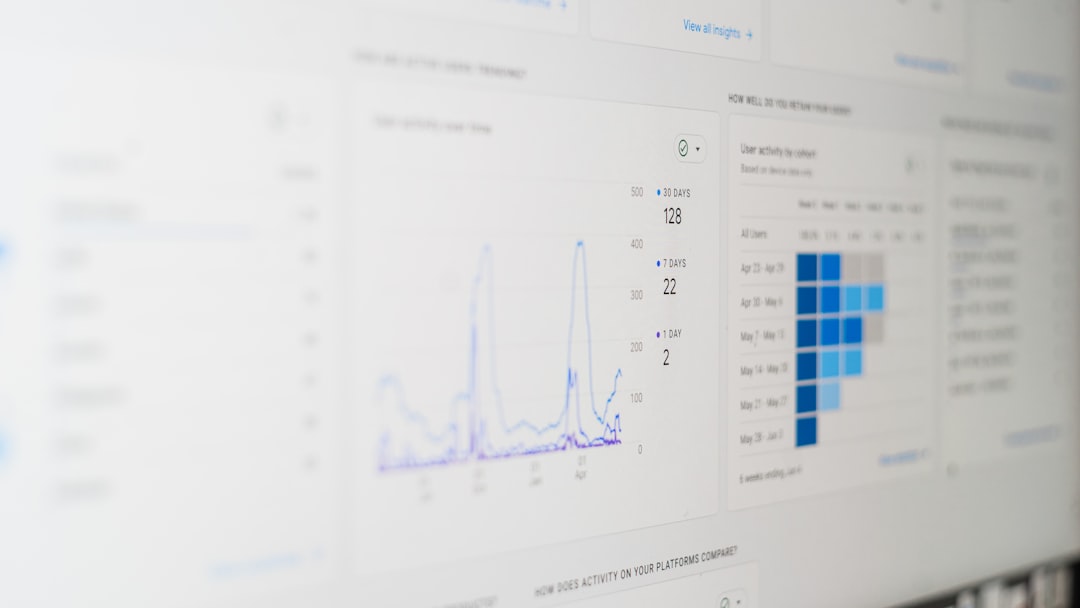
This integration ensures that workforce metrics carry similar weight to revenue and operational benchmarks. When leadership incentives incorporate retention, engagement, and internal mobility metrics, organizational culture becomes more sustainable and resilient.
Risk Management and Compliance in a Complex Environment
Global organizations face increasing regulatory scrutiny regarding labor standards, data protection, diversity reporting, and workplace safety. TheHRWP embeds compliance management within its technological infrastructure, rather than treating it as a separate administrative function.
Compliance automation enables:
- Real-time monitoring of labor law adherence
- Standardized reporting across jurisdictions
- Secure management of employee data
- Transparent diversity and inclusion metrics
This approach reduces legal exposure while reinforcing trust with employees and stakeholders. It also enhances the organization’s ability to communicate credible ESG (Environmental, Social, Governance) commitments.
Measuring Success in TheHRWP Era
TheHRWP emphasizes measurement, but not in isolation. Metrics must translate into strategic insight. Instead of reporting vanity statistics—such as number of trainings delivered—modern HR dashboards focus on impact-driven outcomes, including:
- Regrettable attrition rates
- Time to productivity for new hires
- Internal fill rate for leadership positions
- Engagement correlation with productivity
- Cost of workforce inefficiencies
By aligning metrics with enterprise objectives, HR transitions into a data-literate, performance-oriented function. This transparency strengthens executive confidence in HR-led initiatives and justifies investment in new systems and leadership programs.
Cultural Transformation and Long-Term Sustainability
The true value of TheHRWP extends beyond operational optimization. It creates a structured path toward cultural maturity. When workforce decisions are grounded in consistent data, inclusive processes, and leadership accountability, organizations experience stronger cohesion and trust.
Long-term sustainability emerges from:
- Continuous skill renewal aligned with technological advancement.
- Transparent career pathways that reduce uncertainty.
- Inclusive governance embedded in leadership metrics.
- Resilient change management frameworks.
Over time, these factors contribute to institutional stability. Employees perceive fairness and opportunity; leaders operate with clarity and structure; stakeholders observe measurable workforce impact.
The Competitive Advantage of TheHRWP
In highly competitive markets, talent remains the primary differentiator. Organizations that fail to modernize HR risk talent shortages, cultural fragmentation, and diminished innovation capacity. By contrast, those adopting TheHRWP gain a sustainable competitive edge.
This advantage is realized through:
- Faster adaptation to market shifts
- Reduced costs through workforce optimization
- Improved employer branding
- Stronger leadership pipelines
- Data-driven reputational credibility
Ultimately, TheHRWP positions HR not as an administrative cost center but as a strategic value creator. Its disciplined integration of analytics, leadership accountability, and employee experience architecture reflects the realities of modern enterprise complexity.
As organizations continue navigating digital transformation and global workforce shifts, frameworks such as TheHRWP provide clarity and structure. They establish a reliable blueprint for unifying people, performance, and purpose. In doing so, they signal the beginning of a new era—one in which HR is not simply adapting to change but actively shaping the future of work.