



In the digital age, where technology often outpaces regulation, the ability to identify a person using only a photo raises compelling questions. From security applications to finding long-lost friends, the potential use cases are vast — but so are the ethical and privacy concerns. Today, an array of tools claim they can put a name to a face just from a single image. But how reliable are they, and what exactly can they do?
TLDR (Too Long, Didn’t Read)
There are several tools available today that claim to identify individuals using only a photograph. These tools vary in accuracy and intended use, from professional facial recognition platforms used by law enforcement to consumer-friendly face search engines. Ethical concerns and privacy implications are growing alongside technological advancement. While impressive, these tools are still evolving—and caution is advised when using them.
How Do Facial Recognition Tools Work?
Facial recognition technologies analyze unique facial features such as the distance between the eyes, nose shape, jawline, and more. These specific markers are converted into a digital “faceprint” that can be compared with images stored in massive databases, or even pulled from the internet in real-time.
Modern tools often rely on machine learning and artificial intelligence to improve over time, learning to identify individuals more accurately regardless of age, lighting, and facial expressions.
Top 9 Tools That Claim They Can Identify a Person From a Photo
Here’s a list of notable tools, across a range of sophistication and intended audiences, that claim to identify someone using just a photo:
-
Clearview AI
Originally designed for law enforcement, Clearview AI uses a vast database of over 20 billion photos scraped from public websites and social media. It’s highly controversial and extremely powerful, reportedly capable of identifying individuals with high accuracy. -
PimEyes
A public-facing tool that finds similar faces across the web. It allows users to upload a photo and get results based on publicly available images. Highly popular among journalists and people trying to verify their digital presence. -
Social Catfish
This tool combines reverse image search technology with social media data mining. It’s often used to detect fake profiles or catfishing attempts by providing background info linked to a photo. -
FindFace
Designed in Russia, and now often used by businesses and authorities. It specializes in large-scale facial recognition, capable of scanning billions of social media photos in seconds. -
Face++
A robust AI platform for developers and businesses that includes face detection, emotion recognition, and matching. It’s not a public search tool but is widely used by corporations for identity verification. -
Betaface
Known for its analytical capabilities, Betaface can compare faces across multiple photos and even integrate with other recognition tools via API. Commonly used in professional and academic research. -
Google Reverse Image Search
While not a facial recognition tool per se, it’s astonishingly effective at finding identical or similar images on the web. Often used to track where an image appeared or to spot fake images. -
Yandex Images
Russia’s equivalent of Google, Yandex’s image search engine is surprisingly effective with facial matches, often outperforming Google in some cases involving people. -
TrueFace
A facial recognition suite developed with security and access control in mind. It’s targeted at businesses and governments interested in real-time face matching and surveillance.
How Accurate Are These Tools?
Accuracy varies significantly depending on the tool and the quality of the image provided. Factors such as lighting, resolution, and facial orientation can greatly affect performance. While law enforcement-grade tools boast high accuracy rates, consumer tools may present less consistent results and rely heavily on online image availability.
Moreover, even the best AI gets it wrong. False positives and misleading results are still a concern, especially when the stakes are personal freedom or individual privacy.
Legal and Ethical Considerations
Most facial recognition tools operate in a legal gray area. For instance, scraping images from social media for facial databases may violate data protection laws such as GDPR in Europe or regulations in various U.S. states.
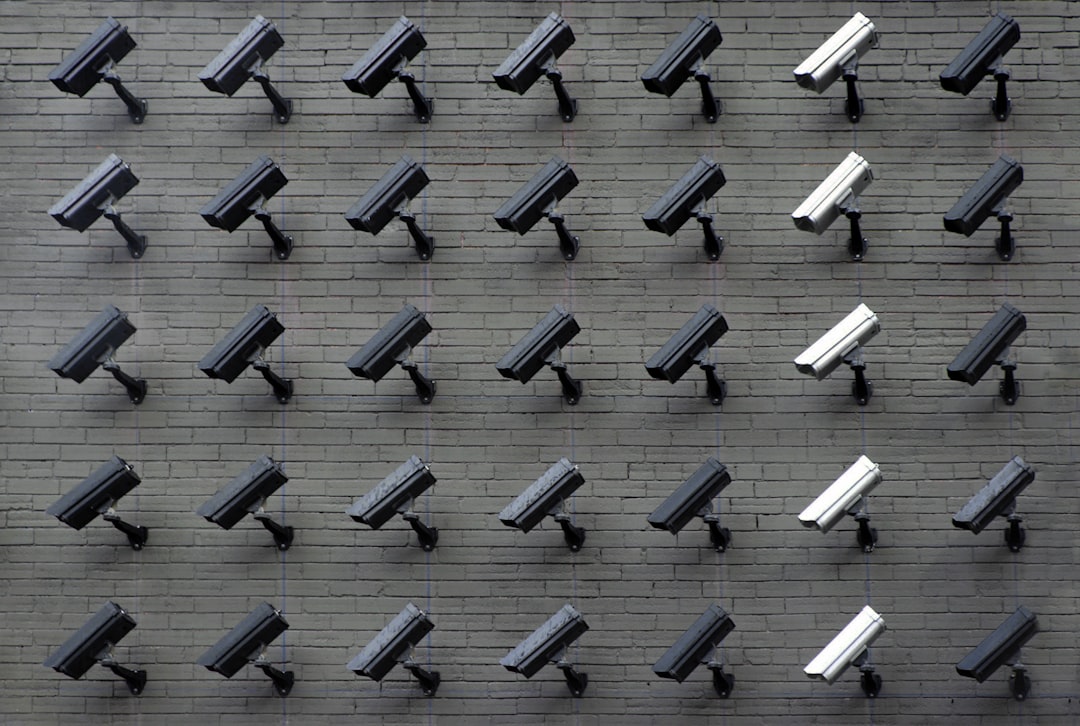
Ethically, there’s growing concern over consent and surveillance. Many people have had their faces collected and stored without their knowledge or approval. This sparks debates about personal privacy, data ownership, and the potential for misuse.
Are These Tools Free To Use?
Some tools, like PimEyes and Google Reverse Image Search, offer limited free access, while others are enterprise-focused and require paid licenses. Additionally, public-facing tools may ask users to subscribe for features such as unlimited searches or detailed reports.
Can You Remove Your Photo From These Systems?
Most consumer tools offer some way to request photo removal or opt-out, but it’s not always straightforward. Legal enforcement can be tricky due to jurisdictional complications. For now, public education and policy advocacy remain essential for pushing for greater transparency and user rights.
FAQ
-
Q: Can facial recognition identify someone with 100% accuracy?
No. Although some tools are highly accurate, none claim 100% accuracy. Variables such as photo quality, age progression, and image alterations can affect results. -
Q: Is it legal to use these tools in all countries?
Not necessarily. Laws around data privacy and facial recognition vary widely. Some countries have strict regulations, while others are more lenient or lack specific laws. -
Q: Can someone find my identity using only a social media photo?
Yes, especially if the photo is public and linked to your real name. Tools like PimEyes or Social Catfish make this possible. -
Q: Can I opt out of facial recognition databases?
Some tools allow opt-out requests, but processes can vary and aren’t always honored, especially by private intelligence companies. -
Q: How can I protect myself from unwanted facial recognition?
Adjust privacy settings on social media, avoid posting clear face images publicly, and use tools that check where your images may have ended up online.
Final Thoughts
Identifying someone from a photo is no longer a sci-fi fantasy — it’s digital reality. While these tools offer powerful capabilities for security, verification, and search, they also open up a Pandora’s box of privacy concerns. As the technology improves, the conversation around ethics, accuracy, and legislation is likely to intensify. Until clear safeguards are in place, users should tread carefully and remain informed.