



Helping children develop essential physical skills while ensuring they have fun is a priority for many parents. A kids’ balance bike can play a vital role in achieving this. It encourages coordination, muscle development, and independence in toddlers and young children. But with countless options on the market, making the right selection requires an understanding of both the child’s developmental needs and product features that support safe, effective learning.
TLDR (Too Long, Didn’t Read)
Choosing the right balance bike involves more than just picking one that looks good. Parents should focus on size, weight, adjustability, and overall safety features to match their child’s physical development. It’s important to select a balance bike that challenges the child just enough to foster improvement without causing frustration. Ultimately, the ideal bike should make learning to ride exciting and safe while supporting motor development milestones.
Why Choose a Balance Bike?
Balance bikes are specifically designed to teach young children how to balance and steer, omitting the complexity of pedals. Unlike training wheels, which can delay the learning of balance, a balance bike allows the child to focus solely on mastering this key skill first. Most children who start with balance bikes transition to pedal bikes without ever needing training wheels.
- Motor Skill Development: Enhances gross motor skills like balance, coordination, and strength.
- Confidence Building: Kids control movement at their own pace, building self-assurance.
- Ease of Transition: Most riders don’t require training wheels when they transition to pedal bikes.
- Outdoor Engagement: Encourages active outdoor play and exploration.
Given their benefits, choosing the right balance bike becomes a crucial early investment in a child’s physical development journey.
Key Factors to Consider When Choosing a Kids’ Balance Bike
1. Appropriate Sizing
Fit is the single most important aspect of selecting a balance bike. A bike that is too tall or too short can hinder a child’s ability to use it comfortably and effectively. The child should be able to sit on the saddle with both feet flat on the ground, knees slightly bent.
Guideline:
- Inseam Height: Always match the saddle height to the child’s inseam measurement.
- Wheel Sizes: Most balance bikes come in 10”, 12”, or 14” wheels. For toddlers around 18 months to 2.5 years, opt for smaller frame and wheels. Older children (4+ years) may need a 14” bike.
Tip: Avoid buying a bike a child can “grow into.” A proper fit now is far more valuable than size longevity.
2. Weight of the Bike
A child should be able to easily maneuver and lift their balance bike. Ideally, a balance bike should not exceed 30% of a child’s body weight.
Watch for:
- Lightweight materials like aluminum or composite frames.
- Heavier bikes may lead to fatigue and frustration during extended use.
3. Quality of Construction and Materials
The durability and safety of the bike are directly tied to the quality of materials used. There are three primary material types to consider:
- Wood: Eco-friendly with a classic look, but less durable in wet conditions.
- Steel: Strong and affordable but usually heavier.
- Aluminum: Lightweight and rust-resistant; offers the best performance-fatigue ratio.
Check for smooth welds, no sharp edges, non-toxic paints, and overall craftsmanship, especially around the joints.
4. Adjustability Features
Your child will grow quickly, so having a bike that grows with them adds significant value. Key adjustable parts include:
- Seat Height: Look for tool-free height adjust functionality for ease of use.
- Handlebar Height: Adjustable handlebars can extend the bike’s usability through several growth stages.
Some premium models offer a wide range of customization, which can accommodate children from 18 months to 5 years old.
5. Type of Tires
Tire choice affects how the bike rides over different surfaces and contributes to overall comfort and safety:
- Foam Tires: Lightweight and never go flat, but offer less traction.
- Air Tires (Pneumatic): Better shock absorption and grip, ideal for outdoor terrain. Requires occasional maintenance.
- EVA Polymer: Durable, lightweight, and no maintenance, though less cushioned than air tires.
6. Safety Features
Even though balance bikes are low to the ground and don’t move as fast as traditional bicycles, safety should never be compromised.
Look for features such as:
- Hand Brakes: Ideal for older or more advanced riders. Not essential, but good for transitioning to pedal bikes.
- Steering Limiters: Prevent the handlebars from rotating too far and causing a fall.
- Non-slip Grips: Help kids maintain control during rapid steering changes.
Which Balance Bike Is Right for My Child’s Age and Development?
Children’s motor skills and body strength vary considerably as they grow. Here’s a rough guide for what to look for at different age stages:
- 18 Months – 2 Years: Look for lightweight wooden or aluminum models with smaller wheels and low minimum seat height (~11").
- 2 – 3 Years: Mid-sized bike with some adjustability and foam or EVA tires for maintenance-free play.
- 3 – 5 Years: Fully adjustable bikes with air tires, optional hand brakes, and 12”–14” wheels to align with their increasing proficiency.
Be sure to balance physical development with emotional readiness—some children might physically fit a bike but still need more encouragement to ride confidently.
Making Riding Fun
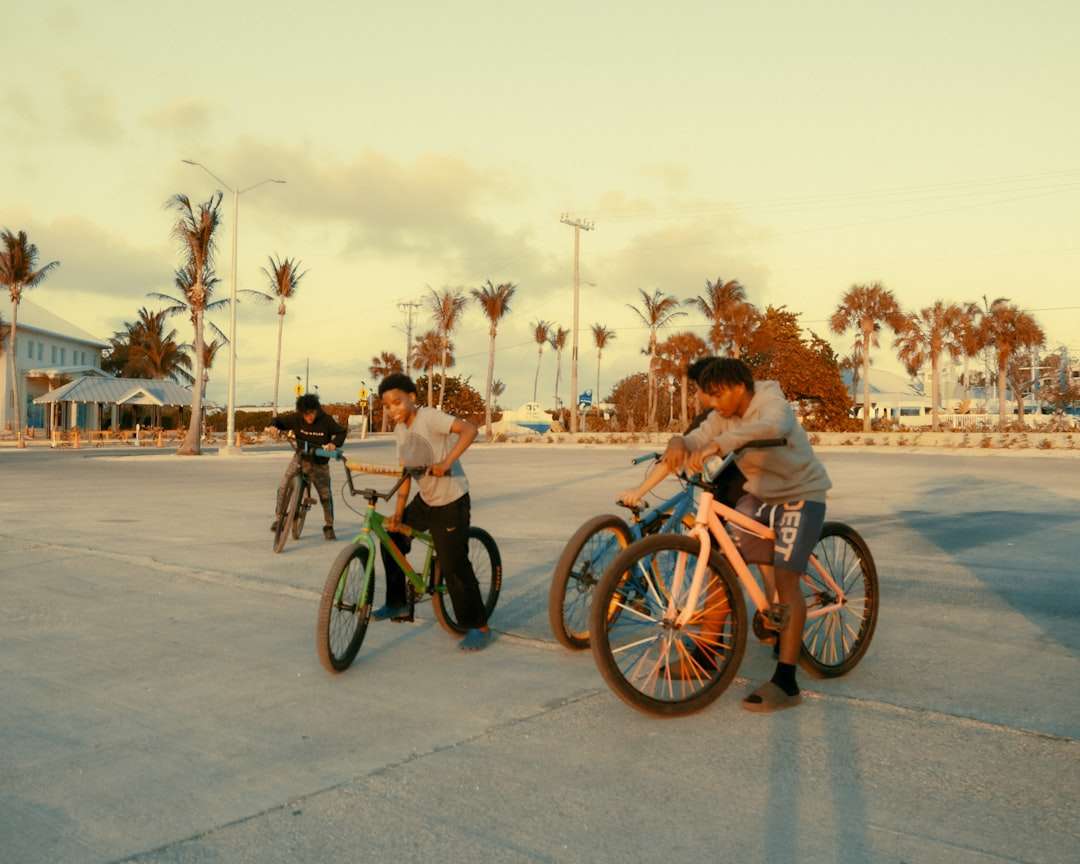
Once you’ve chosen the right balance bike, encouraging regular and enthusiastic use is key. Here’s how to make riding both fun and beneficial:
- Set Small Goals: Allow the child to progress incrementally without pressure.
- Use Safe Riding Areas: Parks, smooth sidewalks, or grassy areas are ideal.
- Add Customization: Stickers or colorful helmets can personalize the experience and make it special.
Turn practice into playtime. Create obstacle courses or go on small “adventures” to motivate balance practice naturally.
Signs of a Well-Chosen Balance Bike
How can you tell you’ve made the right choice? Here are markers of a good fit:
- The child is using the bike regularly without prompting, which means they enjoy it.
- Visible skill progressions—such as lifting their feet and coasting—within a few weeks.
- No complaints of discomfort or difficulty maneuvering the bike.
When a balance bike is correctly matched to a child’s development, it becomes a trusted tool for both fun and foundational growth.
Conclusion
A balance bike delivers far more than mobility—it provides a platform for confidence, coordination, and joy. But like any developmental tool, its effectiveness lies in how well it suits the child using it. By evaluating the features listed above and tailoring your decision to your child’s individual needs, you’ll ensure that their early riding experience is both safe and supportive of lifelong physical skills.
Invest carefully, adjust thoughtfully, and above all—encourage your child to explore joyfully.