



In today’s fast-paced digital age, education startups are transforming learning by offering dynamic, flexible, and scalable online platforms. Whether you’re creating a course marketplace, virtual classroom, or niche training hub, the foundation of your digital presence lies in choosing the right website builder. A powerful site-building tool can save time, reduce development costs, and provide integration with vital learning management systems (LMS), payment gateways, and performance analytics.
Why Choosing the Right Website Builder Matters for Education Startups
Website builders are no longer just drag-and-drop tools—they’re full-scale platforms that can manage content, support heavy traffic, and integrate with marketing and e-learning tools. Especially for education startups, your chosen builder must support:
- Interactive content delivery like videos, quizzes, and assignments
- Scalable LMS integration for managing courses and student data
- Responsive, mobile-friendly design suitable for diverse learners
- Secure payment and data systems to manage subscriptions and credentials
Top Website Builders for Education Startups
1. WordPress with LearnDash or LifterLMS
Best for: Flexible course offerings, content-heavy platforms, and startups with some tech experience
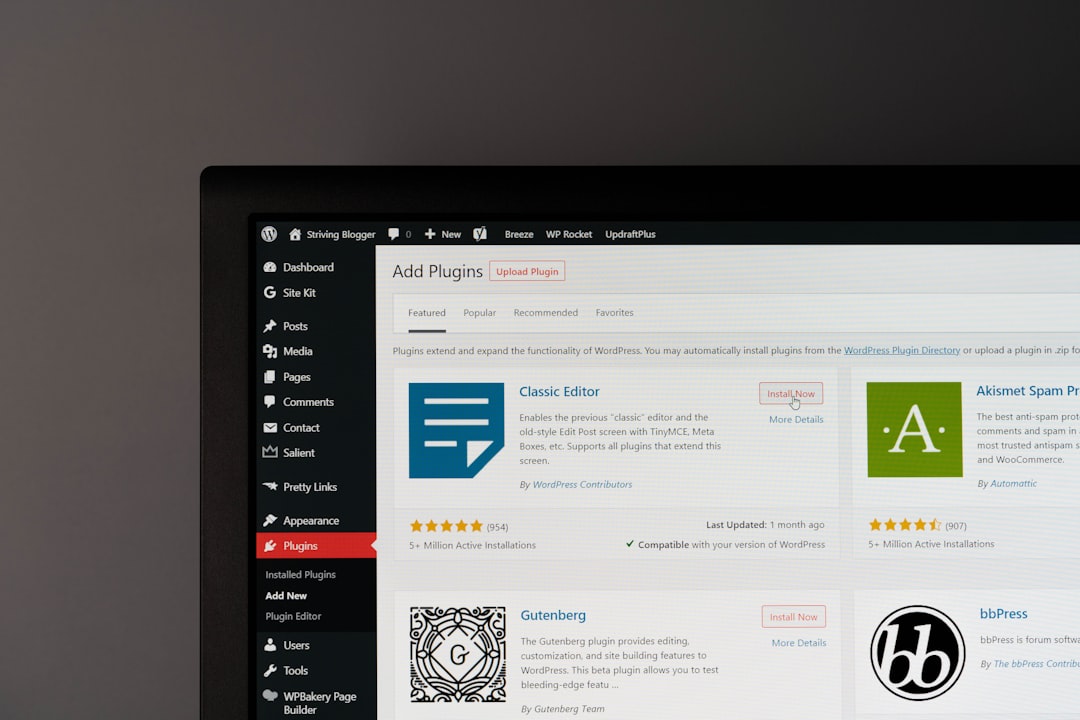
WordPress remains the leading website building platform globally, and when combined with LMS plugins like LearnDash or LifterLMS, it becomes a powerful education engine. Perfect for startups looking to create a highly customizable learning portal, WordPress allows you to maintain complete control over content delivery, course structure, user engagement, and monetization.
Pros:
- Highly customizable with themes and plugins
- Strong community support
- Open-source flexibility with thousands of integrations
Cons:
- Requires technical skills or developer assistance
- Security and plugin maintenance fall on the startup
2. Wix with Wix Learn
Best for: Beginners and design-focused educators wanting a fast launch
Wix has taken significant strides in the education space with its new Wix Learn feature, enabling creators to launch modular online courses directly from their Wix dashboard. Its intuitive drag-and-drop editor means you can craft a professional site in hours, not weeks. Wix also supports multimedia content, live video integration, and member areas for gated course access.
Pros:
- User-friendly for non-coders
- Professionally designed templates for education
- Built-in marketing and email tools
Cons:
- Limited beyond basic LMS features
- Less scalable than open-source alternatives
3. Kajabi
Best for: Entrepreneurs, coaches, and course creators with monetization in mind
Kajabi is an all-in-one business platform built specifically for knowledge entrepreneurs. With built-in LMS, marketing automation, and payment gateways, Kajabi removes the need for plugins or third-party tools. Its dashboard allows educators to launch landing pages, email campaigns, online courses, and digital products with a few clicks.
Pros:
- True all-in-one solution tailored for educators
- No-code setup with powerful marketing tools
- Built-in webinar and event support
Cons:
- Premium pricing not ideal for all startups
- Limited design flexibility compared to WordPress

4. Webflow with Memberstack or Outseta
Best for: Startups with design-led focus and advanced customization needs
Webflow is a design-first tool that sits at the intersection of creativity and functionality. Paired with access control tools like Memberstack or Outseta, it can create fully fledged learning portals with user authentication and payment collection. It’s especially valuable for startups seeking to create visually stunning educational experiences without relying on developers for every update.
Pros:
- Pixel-perfect responsive design capabilities
- CMS included for blog and curriculum management
- Flexible integrations with custom code options
Cons:
- Learning curve for non-designers
- No native LMS—requires third-party tool integration
5. Thinkific
Best for: Educators launching digital courses quickly with built-in LMS
Thinkific is a platform built around e-learning, and it’s ideal for education startups aiming to deploy structured, professional-looking courses without much complexity. With Thinkific, you can drag and drop course content, define student paths, handle recurring payments, and even run free or paid trials—all in a clean, manageable backend interface.
Pros:
- No coding required with built-in course delivery tools
- Many integrations: Zoom, Stripe, Mailchimp, etc.
- White-label options for your branding
Cons:
- Template selection limited compared to general builders
- Design flexibility can feel rigid
Emerging Trends in Education Website Building
The future of educational platforms is taking shape with AI integration, gamification, and social learning becoming the norm. Many modern website builders are adapting fast to include:
- AI-powered tutors and chat interfaces
- Blockchain credentials and verifiable certifications
- Microlearning formats for mobile-first behavior
Startups that build with scalability and adaptability in mind today will thrive as these technologies reach mainstream use.

How to Choose the Right Platform: Key Considerations
When selecting a website builder, reflect on these crucial questions first:
- What type of educational content are you offering? (e.g., video, live instruction, interactive modules)
- Do you need integrated e-commerce tools? (Subscriptions, one-time payments, donations)
- How soon do you plan to scale or add new features?
- What is your team’s technical ability? (No-code tools may better suit non-developers)
- How important is branding and design?
Answering these can help prioritize your needs—whether that’s a fast launch, rich integrations, or long-term flexibility.
Final Thoughts
Educational startups require much more than a simple website—they need a platform that supports teaching, learning, engaging, and scaling. From ultra-customizable options like WordPress to sleek, no-code powerhouses like Kajabi or Thinkific, there is an ideal solution for every budget, technical skill level, and business model. Take the time to align your platform with your vision. The right choice today can supercharge your growth tomorrow.
Building education for the future begins with building the platform to support it.