


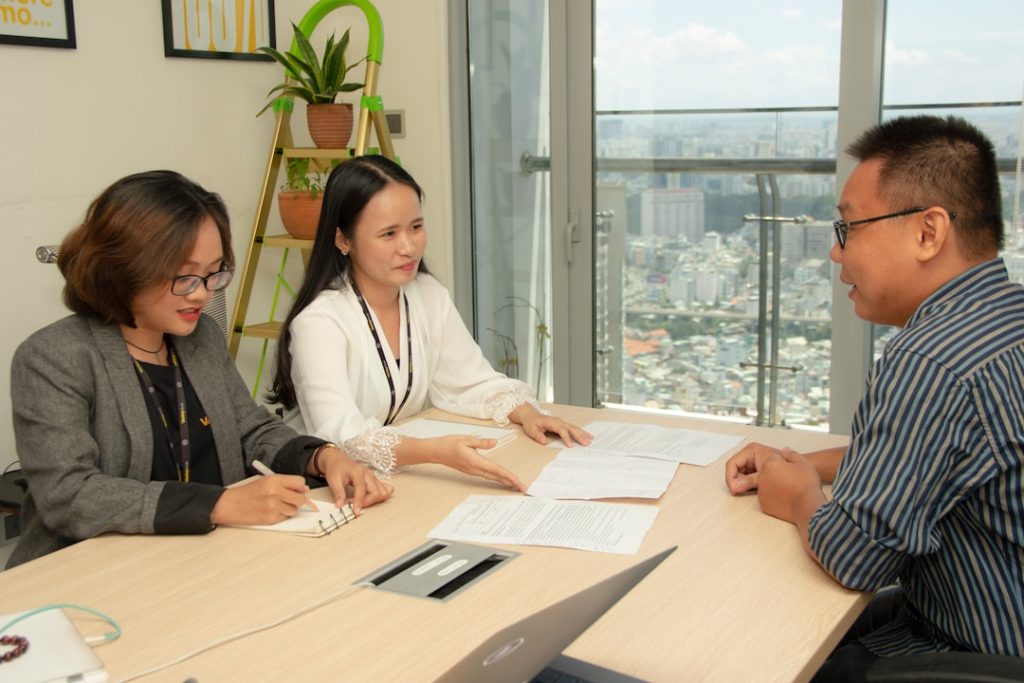
Landing a second interview is a clear signal that the employer is seriously considering you for the position. You’ve impressed them with your resume and initial chat, and now they want to take a deeper dive into your qualifications, cultural fit, and problem-solving capabilities. Now’s your opportunity to build on your momentum by preparing diligently for what’s ahead.
TLDR:
Second interviews dive deeper than the first round — typically into your technical skills, problem-solving abilities, team fit, and long-term potential. Prepare by reviewing common follow-up questions and crafting thoughtful, personalized answers. Learn about the company culture, be ready to discuss real-world challenges, and showcase how you’d contribute to the team. Remember: this is also your chance to interview them and ensure it’s the right fit for you.
Why Second Interview Questions Matter
The stakes are higher during a second interview. By this stage, you’re likely competing with a much smaller group of candidates. Employers ask more thought-provoking and in-depth questions to uncover whether you’re the ideal fit for the role and the team dynamic. It’s not just about your skills anymore — it’s about whether you’re the right person for their workplace culture and long-term goals.
Top Second Interview Questions and How to Prepare
Let’s explore the most common second interview questions so you can tackle them confidently and thoughtfully.
1. “Can you walk us through a recent project and your role in it?”
This question is designed to assess your problem-solving abilities, collaboration style, and direct contributions. Be specific. Highlight measurable results and your approach to challenges.
- Tip: Use the STAR method (Situation, Task, Action, Result).
- Sample Answer: “I led a marketing campaign for our product launch that increased user sign-ups by 30% in a month. I coordinated across design, dev, and analytics to ensure messaging consistency and performance tracking.”
2. “How do you handle conflict in a team environment?”
Team chemistry matters. This question checks your emotional intelligence and conflict resolution skills.
- Tip: Share a story that shows your maturity and willingness to listen and compromise.
- What they want: A team player who communicates proactively and professionally during disagreements.
3. “What motivates you to do your best work?”
This helps interviewers understand if your internal drive aligns with the company’s work environment and values.
- Tip: Focus on intrinsic motivators like learning, teamwork, innovation, or customer impact—not just external rewards.
4. “What do you know about our team or company culture?”
This is where your research pays off. Companies want to see that you’ve done your homework and understand not only what they do, but how they do it.
- Use social media, Glassdoor reviews, and recent press releases.
- If you spoke to a current or former employee, mention that insight too.
5. “Describe a time you made a mistake and how you handled it.”
This question gauges accountability, learning ability, and how you respond under pressure.
- Tip: Choose a real, minor mistake, own it honestly, and emphasize what you learned and how you prevented it from happening again.
- Why it matters: Employers trust candidates who demonstrate resilience and a growth mindset.
6. “Where do you see yourself in five years?”
This is not a trick question — the interviewer wants to know if your career goals align with what the company can provide.
- Tip: Focus on skills you want to develop, roles you aim to grow into, and how this position supports that path.
7. “How would you contribute to our team’s success?”
This question helps interviewers visualize you in the role and measure how proactive and informed you are.
- Tip: Tie your specific skills to the company’s current objectives or known pain points.
- Bonus: Suggest an idea or improvement based on your research — it shows initiative without overstepping.
8. “Do you have any concerns about the role or company?”
Now’s your chance to create a transparent dialogue. If something genuinely worries you, bring it up tactfully.
- Tip: Phrase your concerns as questions rather than negatives. For example: “I’m curious how the team manages priorities when multiple deadlines overlap?”
9. “How do you prioritize your work when everything is high priority?”
This reveals how you manage time, stress, and strategic decision-making.
- Tip: Mention techniques like the Eisenhower Matrix, daily planning, or communication with stakeholders to clarify urgency.
10. “What questions do you have for us?”
Never say “I’m good” here. A second interview is also your opportunity to evaluate if the company is right for you.
- Ask about team dynamics, performance evaluation, leadership style, upcoming projects, or even what a successful first six months would look like in the role.

Bonus: Industry-Specific Questions
Depending on your field, you may face technical or role-specific questions focused on real-world problem-solving. For example:
- Tech: “Walk us through the architecture of an app you built.”
- Marketing: “How would you increase engagement on a lagging campaign?”
- Finance: “How do you evaluate investment risks and returns?”
- Design: “Tell us how you approach user feedback in your design process.”
Prepare by reviewing job-specific competencies and practicing scenario-based responses.
Tips for Success in Your Second Interview
Beyond the questions, how you present yourself influences your interview outcome. Use these strategies to stand out:
- 1. Know Your Audience: You may meet with higher-level stakeholders, so tailor your answers depending on the interviewer’s focus (e.g., culture fit for HR, KPIs for managers).
- 2. Use Specifics: Detail your achievements with metrics and outcomes. Vague anecdotes don’t resonate.
- 3. Ask Smart Questions Back: Show curiosity about the work, team, and company direction.
- 4. Stay Consistent: Reference points from your first interview and expand on them rather than contradict.
- 5. Follow Up Thoughtfully: Send a thank-you email within 24 hours, personalized to highlight something specific from your conversation.
Final Thoughts
The second interview is a pivotal moment in your job hunt — it’s no longer about if you’re capable; it’s about how well you fit into this particular environment. Each question gives you a chance to deepen their confidence in your abilities and alignment with their goals. Prepare diligently, remain authentic, and don’t forget: you’re assessing them just as much as they’re assessing you. Good luck — you’ve already made it to the shortlist!