


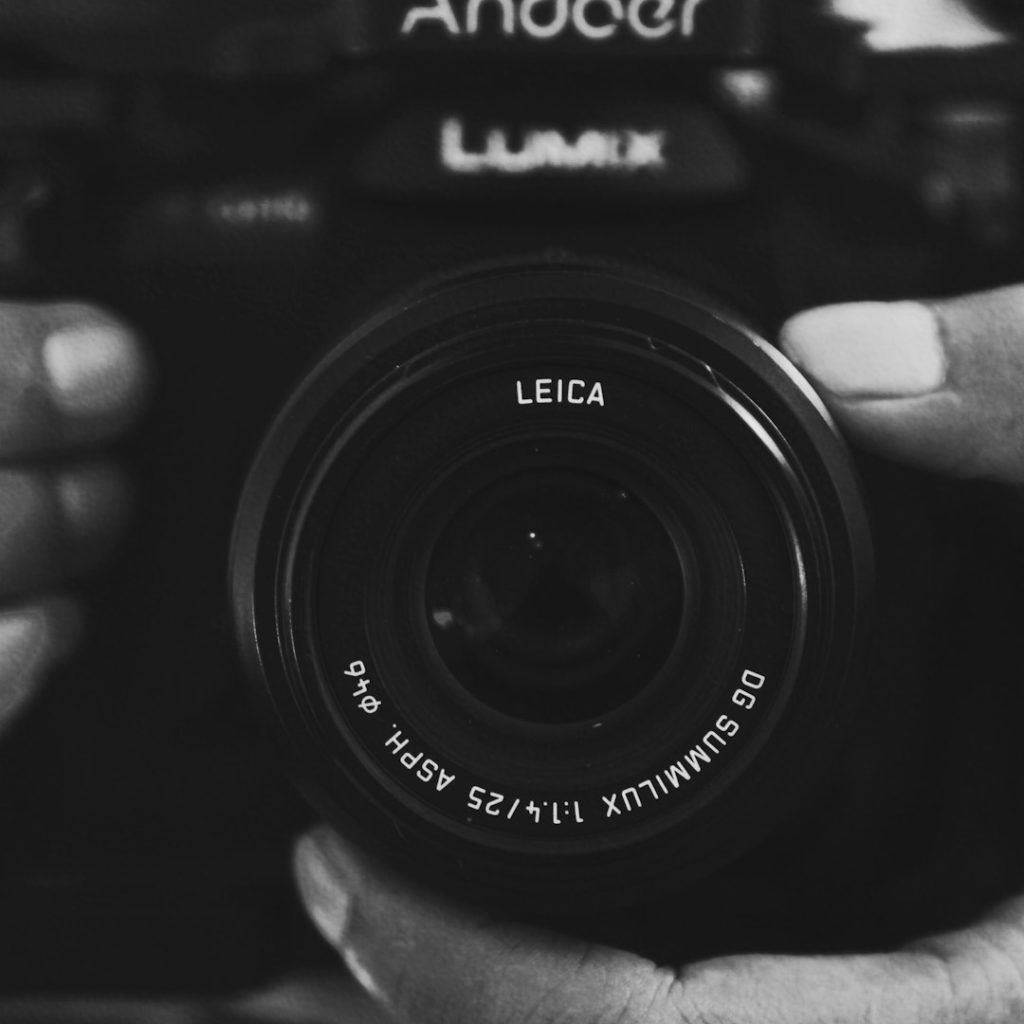
Creating a memorable and professional logo is crucial for photographers and videographers looking to establish a compelling brand identity. A well-thought-out logo not only distinguishes your creative business from the competition but also leaves a lasting impression on potential clients. Since photography and videography are highly visual professions, your logo should reflect your artistic approach and resonate with your target audience.
TLDR (Too Long, Didn’t Read)
A powerful logo is essential for photographers and videographers who want to elevate their brand and create memorable first impressions. This article outlines twelve creative logo ideas tailored to both photographers and videographers, emphasizing styles, symbols, and fonts that reflect professionalism and personality. Whether minimalist or dynamic, the right logo can communicate your creative essence. Discover the types of logos that work best in visual industries and get inspired to design your unique visual identity.
1. Minimalist Camera Silhouette
Sometimes, less is more. A minimalist camera silhouette can make a strong statement with clean lines and subtle design elements. It’s ideal for professionals who want their logo to be modern, sleek, and easily scalable across platforms.
This type of logo works particularly well in black and white, conveying elegance without distracting from your portfolio.
2. Lens Aperture Symbol
The lens aperture symbol is one of the most recognizable icons in photography. Incorporating this into your logo instantly establishes your niche to viewers. This works well in abstract or geometric interpretations and can be used as the primary symbol or a clever accent around your business name.
3. Classic Monogram
For professionals seeking a more traditional and upscale vibe, a monogram using your initials can be highly effective. Paired with serif typography and monochromatic color schemes, monograms create a sense of luxury and timelessness—especially suitable for wedding photographers or those in fine art photography.
4. Film Reel and Clapperboard Combo
Videographers may want to integrate a classic film reel or clapperboard into their logos. These elements symbolize storytelling and cinema, projecting a strong identity within video production. Adding a creative twist with color or animation-friendly shapes makes the logo suitable for modern digital platforms.
5. Signature Logo with Handwritten Font
A signature-style logo featuring a custom or handwritten font expresses individuality and creativity. This is especially perfect for solo entrepreneurs or freelance creatives, as it makes the branding feel personal and approachable.
Choose a font that aligns with your style—elegant, edgy, or playful—to ensure visual consistency across your work and communications.
6. Drone Motif for Aerial Filmmakers
For photographers and videographers specializing in aerial footage, a logo featuring a drone or bird’s-eye imagery is a smart move. This niche visual cue immediately communicates your area of expertise and can be stylized with futuristic fonts to enhance its tech-savvy appeal.
7. Geometric Shapes and Abstract Art
Geometric logos work well for photographers and videographers looking for a modern and professional look. Abstract art elements give the logo a creative edge, attracting contemporary clients such as startups, fashion brands, or music artists.
Simple triangles, circles, and intersecting lines can be surprisingly expressive when combined with the right color palette.
8. Nature-Inspired Elements
Those specializing in outdoor shoots, travel content, or wildlife documentation might consider natural elements like mountains, trees, or water reflections in their logos. These features build an emotional connection to nature and appeal deeply to eco-conscious clients.

9. Polaroid Frame or Film Strip
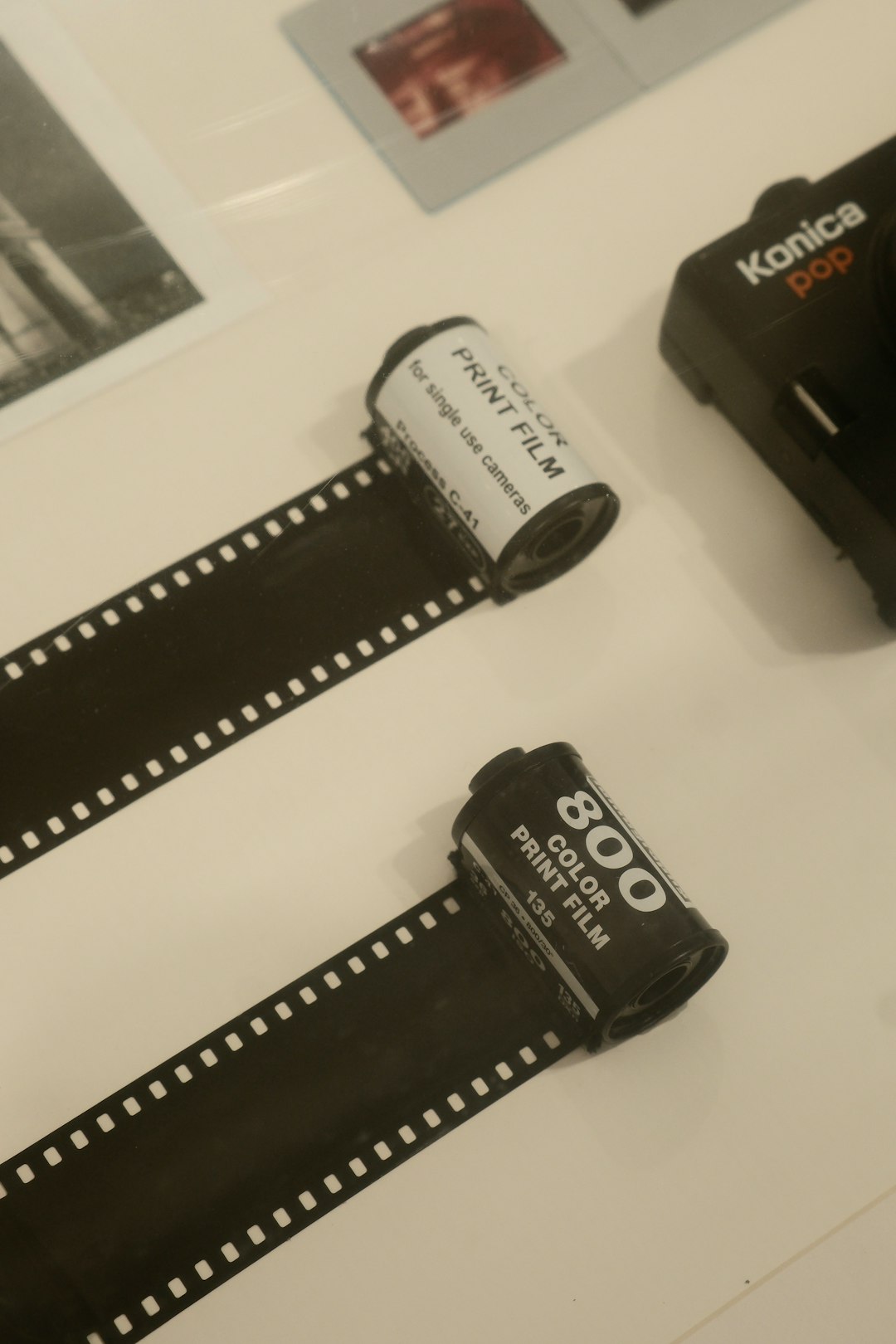
Play on nostalgia by incorporating images of film strips or old-school Polaroid frames. This style can resonate with audiences who appreciate vintage aesthetics and analog photography. Use sepia tones with retro fonts for an added throwback effect.
10. Typography-Only Logo
A bold typographic logo is both straightforward and highly customizable. Choosing a unique, attention-grabbing font ensures your brand stands out. Sans-serif fonts indicate a modern, minimalistic brand, whereas serif fonts evoke trust and tradition.
This type of logo is especially useful for watermarks on photos or videos since it doesn’t overpower the content.
11. Dual Camera and Film Fusion
If you do both photography and videography, why not create a logo that fuses elements from both worlds? Combine a camera icon with film strip motifs or integrate a play button into the lens centerpiece. This hybrid logo communicates your multifaceted skills clearly and creatively.
12. Colored Light Prism or RGB Motif
Ideal for those in digital media or experimental visual art, logos featuring RGB color motifs or light prisms capture the essence of color theory and light manipulation. These logos stand out in digital spaces and attract clients who appreciate bold visuals and advanced techniques.
Bonus Tips for Designing Your Perfect Logo
- Scalability: Make sure your logo looks good on a business card and a billboard.
- Color Palette: Stick to 2–3 colors that reflect your aesthetic and mood.
- Typography: Don’t underestimate the power of fonts—choose one that aligns with your style.
- Timelessness: Avoid overly trendy elements that may date your logo within a year.
- Feedback: Share rough ideas with peers before finalizing your design.
Conclusion
As a visual storyteller, your logo is essentially your brand’s handshake—it needs to be firm, memorable, and reflective of your unique vision. Whether you lean toward minimalist aesthetics or colorful, abstract visuals, the right logo should tell your story at a glance. Each of these twelve ideas provides a jumping-off point, but the best logo will always be one that feels like an authentic extension of your creative identity.
Frequently Asked Questions (FAQs)
1. How important is a logo for photographers and videographers?
Very important. A logo helps establish brand identity, communicates professionalism, and distinguishes you in a highly visual market. It’s often the first thing potential clients notice.
2. Should I hire a graphic designer or use a DIY logo maker?
It depends on your budget and design skills. A professional designer can offer custom solutions that align with your style, while a DIY tool can work for those just getting started.
3. Can a logo work as a watermark?
Yes! A well-designed logo should function effectively as a watermark on both photos and videos without overshadowing the content.
4. What file formats should I have my logo in?
You should have your logo in vector format (such as .AI or .SVG) for scalability, along with .PNG and .JPEG for online use. Transparent backgrounds are also helpful.
5. How often should I update my logo?
Only update your logo when there’s a significant shift in your brand’s direction, services, or target market. Rebranding should be strategic and purposeful.
6. What colors work best in photography and videography logos?
Neutral tones like black, white, and gray are versatile, but earthy and muted tones can also resonate. Make sure the colors reflect your personal or business style.