



Webinars have evolved from simple online presentations into strategic business assets. Today, they power lead generation campaigns, accelerate sales cycles, support customer onboarding, and deliver immersive training experiences to distributed teams. However, the success of any webinar does not rely solely on the presenter or the content—it depends heavily on the tools behind the scenes. The right webinar technology infrastructure ensures engagement, reliability, analytics precision, and seamless user experience across marketing, sales, and training initiatives.
TLDR: Choosing the right webinar tools directly impacts engagement, conversion rates, and learning outcomes. Businesses need platforms that offer high-quality broadcasting, interactive features, automation, analytics, and seamless integrations. The six must-have tools discussed below support marketing campaigns, empower sales teams, and enhance training programs. Investing in a reliable webinar stack increases efficiency, credibility, and measurable ROI.
Below are six essential webinar tools that every organization should consider when building a results-driven webinar strategy.
1. A Reliable Webinar Hosting Platform
The foundation of every successful webinar is a stable and scalable hosting platform. Without strong infrastructure, even exceptional content can be overshadowed by technical glitches, lagging streams, or participant access issues.
A professional webinar hosting solution should include:
- High-definition video and audio streaming
- Scalable attendee capacity
- Recording and on-demand replay options
- Screen sharing and presentation tools
- Mobile accessibility
For marketing teams, reliability preserves brand credibility. For sales teams, uninterrupted demos maintain buyer attention. For training sessions, clear audio and visuals are critical for knowledge retention.
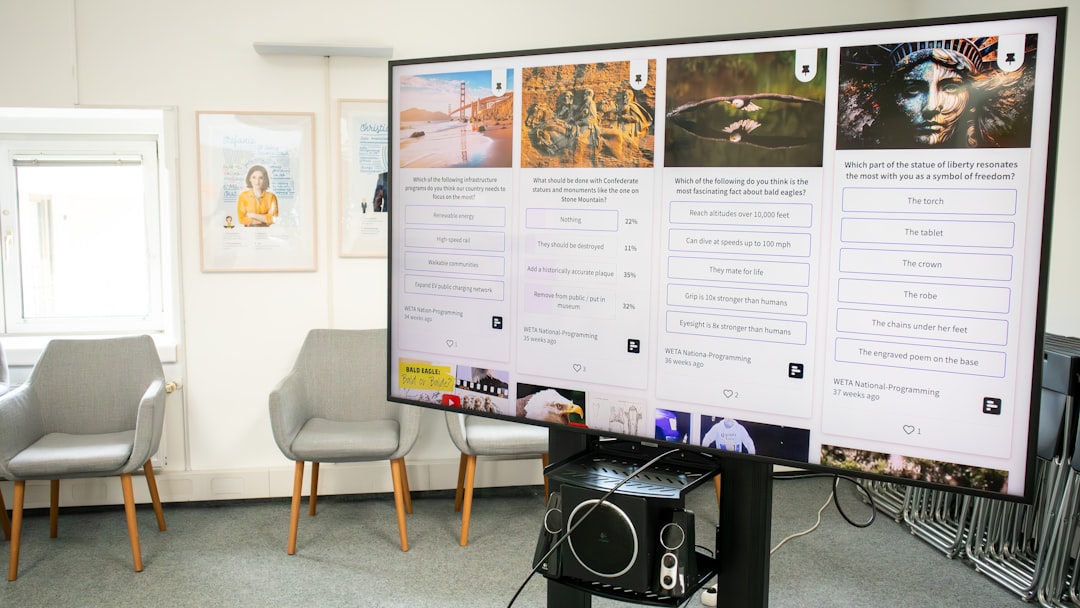
When evaluating platforms, prioritize security features such as password protection, waiting rooms, and attendee permissions. These measures protect sensitive data during internal training or high-stakes sales demonstrations.
2. Audience Engagement and Interaction Tools
Engagement is the difference between passive viewers and active participants. Modern webinars must compete with countless distractions, making interactive functionality indispensable.
Effective engagement tools include:
- Live chat and moderated Q&A sessions
- Real-time polls and surveys
- Reaction buttons and emoji feedback
- Breakout rooms for group discussions
- Interactive whiteboards
Marketing webinars benefit from live polling to qualify leads and gather instant insights. Sales presentations use Q&A tools to address objections in real time. In training sessions, breakout rooms foster collaboration and peer-to-peer learning.
Engagement is not optional—it directly influences conversion rates, attentiveness, and participant satisfaction.
Advanced audience interaction tools also generate qualitative data that can inform future campaigns, refine messaging, or identify knowledge gaps within teams.
3. Registration and Marketing Automation Software
Driving attendance requires more than a sign-up form. A robust registration and automation system ensures that invitations, reminders, segmentation, and follow-ups are handled seamlessly.
Key features to look for:
- Customizable registration pages
- Email sequence automation (confirmation, reminders, follow-ups)
- CRM integration
- Calendar syncing
- Automated replay distribution
Marketing teams can segment audiences based on sign-up responses, tailoring follow-up emails to increase conversions. Sales teams can automatically assign leads to representatives based on webinar participation. Training departments can track enrollment across multiple sessions.

Automation reduces administrative workload while maintaining consistent, professional communication. It also improves attendance rates through strategically timed reminders and value-driven messaging.
Efficiency and personalization are key advantages of integrating automation with webinars.
4. Advanced Analytics and Reporting Tools
Without measurable data, webinars become isolated events rather than strategic assets. Advanced analytics tools provide actionable insights into attendee behavior, engagement patterns, and conversion metrics.
Essential analytics features include:
- Attendance tracking and duration monitoring
- Engagement heatmaps
- Poll and survey results analysis
- Call-to-action click tracking
- Attribution reporting for revenue impact
Marketing professionals can identify which segments stayed until the end and which dropped off early, refining future content strategies. Sales teams can prioritize follow-ups based on engagement scores. Training managers can measure completion rates and comprehension indicators.
Beyond surface-level metrics, leading platforms allow integration with analytics ecosystems to calculate cost per lead, conversion rates, and pipeline influence.
Data transforms webinars from communication tools into measurable revenue drivers and learning accelerators.
5. Presentation and Content Enhancement Tools
Content delivery plays a central role in webinar effectiveness. Even the most knowledgeable presenter benefits from visual clarity and structured storytelling tools.
Important presentation features include:
- Branded slide templates
- Embedded video playback
- Screen annotation tools
- Dynamic transitions and visual effects
- Live demonstration capabilities
Marketing webinars rely on persuasive visual storytelling. Sales webinars often require live product walkthroughs. Training sessions benefit from structured modules and clear visual reinforcement.

Some tools also allow layered production elements such as lower-thirds, overlays, and branded virtual backgrounds. These enhancements contribute to a polished, television-like production quality that reinforces authority and professionalism.
Visual clarity improves retention, trust, and the perceived value of your message.
6. Integration and Collaboration Ecosystem
No webinar tool operates effectively in isolation. Integration capabilities allow webinar platforms to connect seamlessly with CRM systems, email marketing software, analytics dashboards, payment gateways, and collaboration tools.
A strong integration ecosystem enables:
- Automatic data synchronization with CRM platforms
- Team collaboration on content and follow-ups
- Payment processing for paid webinars
- Cross-platform marketing attribution
- Single sign-on and user management
For marketing teams, integration ensures leads flow directly into nurturing pipelines. For sales teams, it provides immediate visibility into prospect activity. For training departments, it synchronizes participation records with HR or learning management systems.
Collaborative tools also allow multiple presenters, moderators, and technical hosts to coordinate efficiently during live events. This level of coordination is essential for larger enterprises hosting multi-speaker panels or hybrid events.
Strategic Considerations When Selecting Webinar Tools
While the six tools above represent core capabilities, decision-makers should also evaluate:
- Scalability for future growth
- Compliance with data privacy regulations
- Customer support quality
- Ease of use for presenters and participants
- Total cost of ownership
Overly complex systems can create barriers for presenters and attendees alike. Conversely, overly simple tools may lack advanced features necessary for sophisticated marketing campaigns or structured training programs.
The ideal webinar stack balances usability, performance, integration, and analytical depth.
Why Investing in the Right Tools Matters
Webinars represent significant investments in time, expertise, and promotional resources. Poor technology undermines these investments through low attendance, minimal engagement, or unreliable performance.
On the other hand, well-chosen tools:
- Increase attendance and participation rates
- Shorten sales cycles
- Improve learning retention
- Generate actionable business intelligence
- Strengthen brand authority
Marketing departments gain higher-quality leads. Sales teams benefit from informed, engaged prospects. Training leaders ensure consistent knowledge transfer across distributed teams.
In competitive markets where digital engagement channels are saturated, professionalism and reliability differentiate organizations from competitors. Webinar quality directly reflects organizational competence.
Conclusion
Webinars are no longer optional communication tools—they are strategic drivers of marketing performance, sales enablement, and workforce development. However, success requires more than compelling speakers and polished slides. It demands a carefully selected toolkit designed to support engagement, automation, data analysis, collaboration, and seamless delivery.
The six must-have webinar tools—hosting platforms, engagement features, marketing automation systems, analytics dashboards, presentation enhancements, and integration ecosystems—form the backbone of an effective webinar strategy.
Organizations that invest thoughtfully in these capabilities position themselves for stronger audience connections, clearer performance metrics, and measurable business growth.
In a digital-first business environment, robust webinar infrastructure is not merely a technical consideration—it is a strategic imperative.