

Website accessibility is no longer optional. As digital spaces become central to commerce, communication, and public services, organizations are expected to ensure that everyone—including people with disabilities—can access and interact with their websites. Accessibility tools have emerged as practical solutions to help site owners align with standards such as WCAG, ADA, and other global regulations. While UserWay is a popular option, several other platforms offer comparable and sometimes more comprehensive features for compliance and inclusivity.
TLDR: Businesses today must prioritize website accessibility to meet legal requirements and create inclusive digital experiences. Tools like accessiBe, AudioEye, EqualWeb, Monsido, and Siteimprove provide automated fixes, monitoring, and compliance support similar to UserWay. Each tool offers different strengths, from AI-driven remediation to in-depth auditing and reporting dashboards. Choosing the right platform depends on a site’s complexity, budget, and long-term accessibility strategy.
Why Website Accessibility Matters
Web accessibility ensures that users with visual, auditory, motor, and cognitive impairments can navigate and interact with online content. Beyond ethical considerations, accessibility compliance protects organizations from legal risks and broadens their audience reach.
- Legal protection: Reduces exposure to ADA-related lawsuits and regulatory penalties.
- Improved user experience: Enhances usability for all visitors, not just those with disabilities.
- SEO benefits: Accessible websites often perform better in search rankings.
- Brand reputation: Demonstrates social responsibility and commitment to inclusion.
With these benefits in mind, many organizations look beyond UserWay to explore other robust accessibility solutions.
1. accessiBe
accessiBe is an AI-powered web accessibility solution designed to automate compliance with WCAG 2.1 and ADA standards. It integrates via a single line of code and begins scanning and adjusting website elements automatically.
Key Features:
- AI-based remediation that adjusts images, forms, and navigation elements.
- Accessibility interface for user customization.
- Ongoing monitoring and automatic updates.
- Compliance certification and litigation support packages.
accessiBe is often favored by small to mid-sized businesses seeking a relatively hands-off approach. However, organizations with highly complex websites may require additional manual remediation alongside automation.
2. AudioEye
AudioEye combines automation with human-assisted audits, offering a more hybrid approach to accessibility compliance. This flexibility makes it appealing to enterprises and government institutions.
Key Features:
- Automated issue detection and resolution.
- Expert human audits for deeper accessibility gaps.
- Real-time monitoring dashboard.
- Detailed compliance reporting.
AudioEye emphasizes measurable improvements and transparent reporting, making it particularly useful for organizations facing strict regulatory environments.
3. EqualWeb
EqualWeb offers both automated and manual accessibility remediation services. Its layered service approach allows businesses to select the level of intervention needed.
Key Features:
- Accessibility widget with user-adjustable settings.
- AI-driven scanning technology.
- Manual code remediation by accessibility experts.
- Compliance with ADA, WCAG 2.1, Section 508, and EN 301549.
EqualWeb stands out for companies that want both immediate improvements and deeper long-term compliance assurance.
4. Monsido
Monsido focuses heavily on auditing, monitoring, and governance. Rather than merely patching accessibility issues, it provides comprehensive insights into website health.
Key Features:
- Accessibility scanning and diagnostics.
- Content quality assurance tools.
- Policy enforcement dashboards.
- Actionable recommendations for development teams.
Monsido is commonly chosen by universities, healthcare systems, and large enterprises that require structured compliance oversight across multiple departments.
5. Siteimprove
Siteimprove is an enterprise-level platform offering accessibility testing alongside SEO and content analytics tools. It is known for robust reporting capabilities and integrations.
Key Features:
- Comprehensive WCAG compliance testing.
- Enterprise reporting dashboards.
- Workflow management integrations.
- Historical tracking and benchmarking.
For organizations managing large digital ecosystems with thousands of pages, Siteimprove offers centralized control and data-driven insights.
Comparison Chart
| Tool | Automation | Human Audits | Best For | Compliance Standards |
|---|---|---|---|---|
| accessiBe | High (AI-driven) | Limited | Small to mid-sized businesses | WCAG 2.1, ADA |
| AudioEye | Moderate | Yes | Enterprises, government | WCAG, ADA, Section 508 |
| EqualWeb | Moderate to High | Yes | Growing companies | WCAG 2.1, ADA, EN 301549 |
| Monsido | Scanning focused | No direct fixes | Large organizations | WCAG |
| Siteimprove | Scanning focused | Optional services | Enterprise digital teams | WCAG, ADA |
How to Choose the Right Accessibility Tool
Selecting the right accessibility solution requires careful consideration of several factors:
- Website size and complexity: Larger sites may require enterprise-grade monitoring.
- Budget constraints: Automated tools are often more cost-effective but may need supplemental manual remediation.
- Industry regulations: Government and healthcare sectors often need stricter compliance oversight.
- Internal expertise: Organizations with in-house developers may prefer auditing platforms over fully automated widgets.

Many experts recommend combining automated tools with periodic manual audits. No single solution can guarantee 100% compliance under all circumstances, especially as websites evolve with new content and features.
The Importance of Ongoing Monitoring
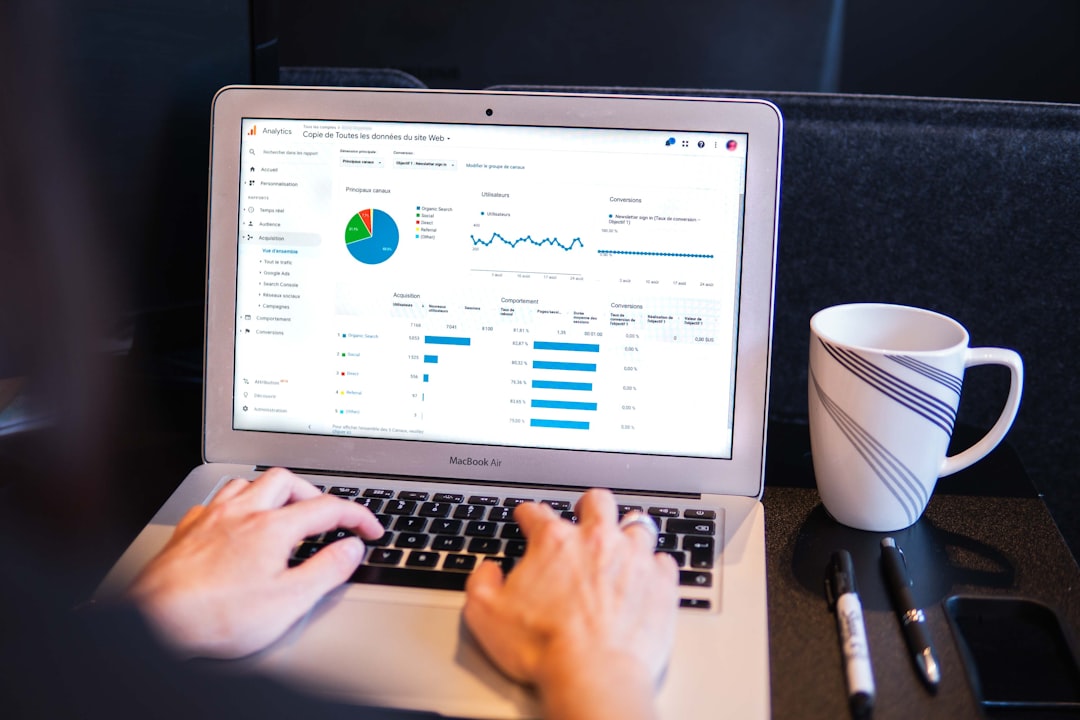
Accessibility compliance is not a one-time fix. Websites are dynamic, frequently updated with fresh content, plugins, and design updates. Continuous monitoring ensures new elements do not introduce accessibility barriers.
Leading platforms provide:
- Real-time alerts for accessibility issues.
- Scheduled scans and compliance reports.
- Historical performance tracking.
- Documentation that demonstrates good-faith compliance efforts.
This ongoing commitment reflects a proactive approach rather than a reactive one, which is especially important in minimizing legal risks.
Final Thoughts
Website accessibility tools like accessiBe, AudioEye, EqualWeb, Monsido, and Siteimprove offer viable alternatives to UserWay for organizations committed to compliance and inclusivity. Each solution presents a different balance between automation, manual intervention, monitoring capabilities, and enterprise support.
Ultimately, true accessibility goes beyond widgets and overlays. It incorporates thoughtful design, inclusive content strategies, rigorous testing, and a company-wide culture of digital equality. By adopting the right tools and maintaining continuous oversight, organizations can ensure their websites welcome all users—regardless of ability.
Frequently Asked Questions (FAQ)
1. Are accessibility widgets enough to guarantee ADA compliance?
No. While widgets and automated tools can address many common issues, full compliance typically requires manual audits, code adjustments, and ongoing monitoring.
2. What is WCAG and why does it matter?
WCAG stands for Web Content Accessibility Guidelines. It is the internationally recognized standard that outlines how to make web content accessible to people with disabilities.
3. Can small businesses afford website accessibility tools?
Yes. Many providers offer scalable pricing based on website size and traffic, making compliance attainable even for smaller organizations.
4. How often should a website be audited for accessibility?
Websites should be monitored continuously, with comprehensive audits conducted at least annually or after major design updates.
5. Do accessibility tools improve SEO?
In many cases, yes. Accessibility best practices—such as proper alt text, semantic HTML, and clear navigation—align closely with SEO optimization techniques.