


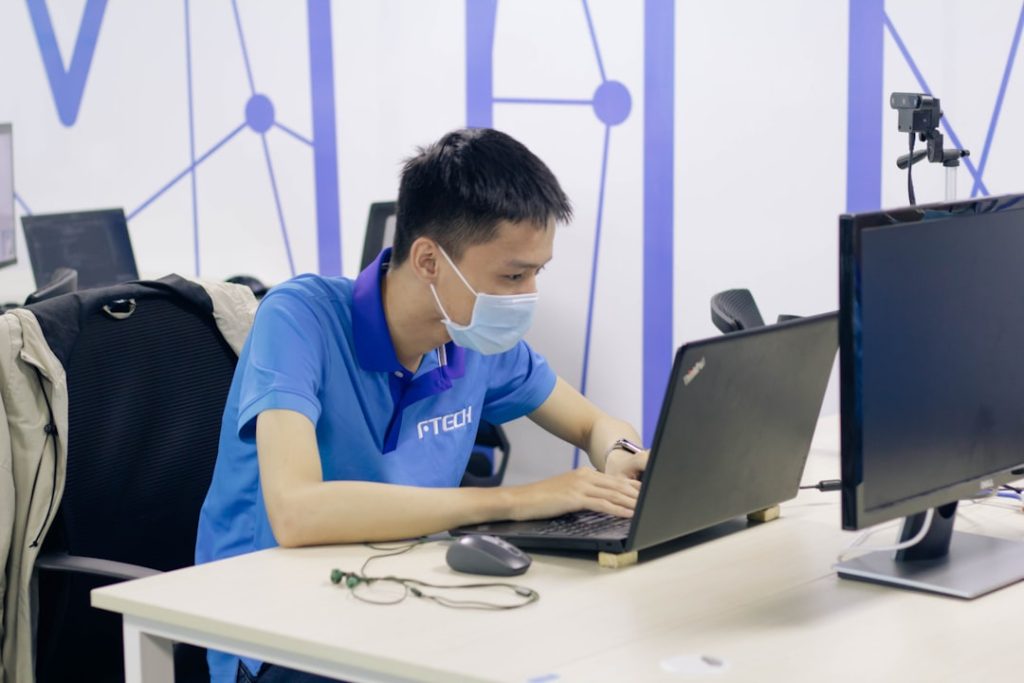
As remote learning becomes a permanent fixture in education and professional certification, ensuring the integrity of online exams has never been more important. Institutions, corporations, and certification bodies are all searching for secure, scalable solutions that preserve academic honesty without sacrificing user experience. While ProctorU is one of the most recognized platforms in this space, it’s far from the only option. Several powerful online proctoring tools now offer advanced monitoring features, AI-driven analysis, and flexible integration models to support secure remote exams.
TLDR: Online proctoring tools are essential for protecting exam integrity in remote environments. While ProctorU is a well-known option, platforms like Examity, Honorlock, and Proctorio provide competitive features such as AI monitoring, live proctoring, browser lockdowns, and LMS integrations. Each platform has unique strengths depending on institutional size, security needs, and budget. Choosing the right solution depends on balancing automation, human oversight, and user experience.
Below, we explore three online proctoring apps like ProctorU that help ensure secure remote exams, along with a side-by-side comparison to help you evaluate your options.
Why Online Proctoring Software Matters
Remote exams present unique challenges. Without physical invigilation, institutions must rely on digital methods to:
- Verify student identity
- Monitor behavior during exams
- Prevent unauthorized resource access
- Detect suspicious activity using AI and analytics
The best platforms combine artificial intelligence, human oversight, browser lockdown technology, and detailed reporting to recreate the rigor of in-person testing.
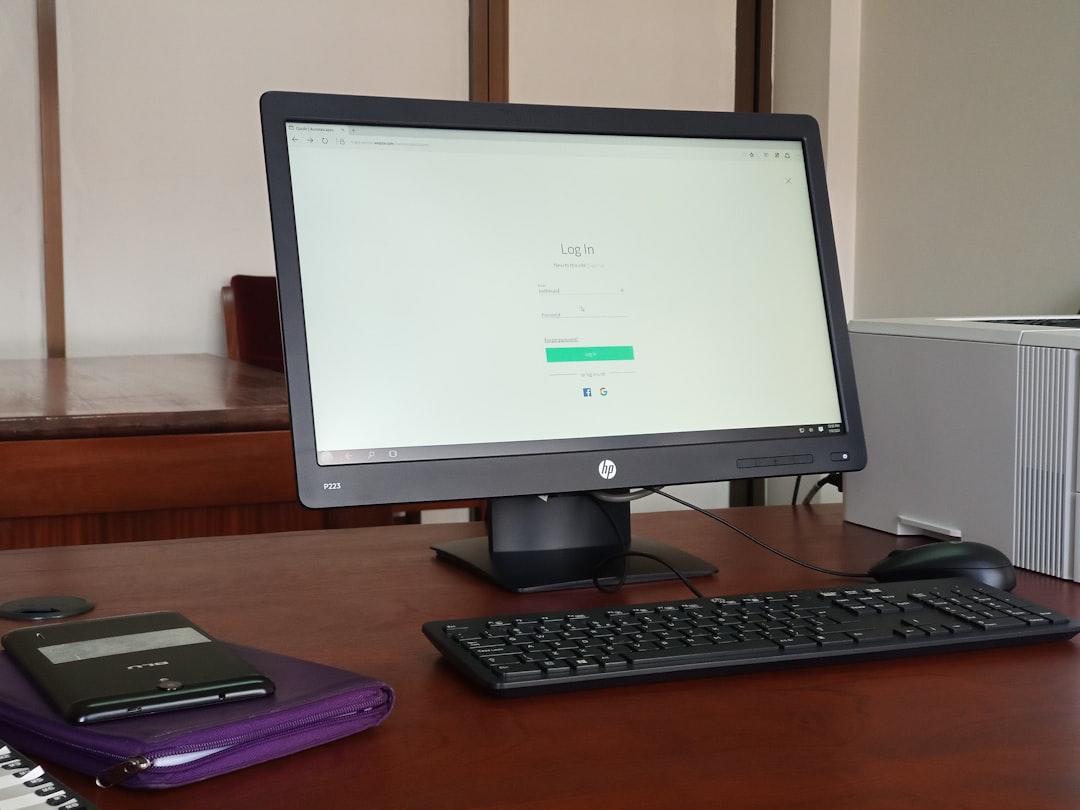
Modern proctoring systems typically include features such as:
- Live video and audio monitoring
- Screen recording and browsing restriction
- ID verification and facial recognition
- Behavior flagging using AI algorithms
- Detailed post-exam review reports
Now let’s explore the top alternatives.
1. Examity
Examity is a widely adopted online proctoring platform used by universities, certification bodies, and corporate training programs. Known for its tiered service model, Examity offers flexibility depending on the level of security required.
Key Features
- Live Proctoring: Human proctors monitor exams in real time.
- Automated Proctoring: AI flags suspicious behavior for later review.
- Identity Verification: Multi-layer authentication including ID checks and challenge questions.
- LMS Integration: Compatible with major learning management systems.
- 24/7 Scheduling: On-demand or scheduled testing sessions.
Examity stands out for its three-tier model: automated, live, and live premium. This allows institutions to match exam oversight with exam stakes. For example, low-risk quizzes may use AI-only monitoring, while high-stakes certification exams benefit from live proctors plus AI support.
Best for: Institutions that want customizable security levels and strong human involvement.
2. Honorlock
Honorlock has rapidly grown in popularity thanks to its AI-first approach and seamless integration with LMS platforms. It blends automation and human review to offer on-demand proctoring without requiring students to schedule appointments.

Key Features
- AI Behavior Monitoring: Detects eye movement, unusual activity, or background noise.
- Live “Pop-In” Proctors: Human proctors intervene when AI detects suspicious activity.
- Browser Guard: Prevents searching for exam answers online.
- Identity Authentication: Facial recognition and ID verification.
- No Scheduling Required: On-demand exam access within LMS.
One of Honorlock’s differentiators is its proactive approach to preventing cheating. The platform can identify leaked test questions online and work to remove them, adding another layer of exam protection.
Best for: Universities seeking frictionless LMS integration and AI-driven monitoring with minimal manual scheduling.
3. Proctorio
Proctorio is another strong alternative designed for scalability and automation. It operates as a browser extension and focuses heavily on privacy, encryption, and customizable exam rules.
Key Features
- Fully Automated Proctoring: No required live human proctor.
- End-to-End Encryption: Protects exam recordings and student data.
- Customizable Exam Settings: Control copy/paste, printing, screen captures, and more.
- Browser Lockdown: Restricts access to unauthorized websites or applications.
- Scalable Infrastructure: Handles large university cohorts.
Unlike systems that rely heavily on live proctors, Proctorio emphasizes automation. Institutions can adjust the sensitivity of AI flags and review recordings afterward. This makes it particularly suitable for large-scale exams where live monitoring would be costly.
Best for: Large institutions looking for automated, scalable, and cost-effective remote proctoring.
Comparison Chart: ProctorU Alternatives
| Feature | Examity | Honorlock | Proctorio |
|---|---|---|---|
| Live Human Proctoring | Yes (Tiered) | Yes (Pop-In) | Optional / Minimal |
| AI Monitoring | Yes | Advanced AI | Fully Automated |
| Browser Lockdown | Yes | Yes | Yes |
| ID Verification | Multi-Step | Facial Recognition | Automated ID Check |
| LMS Integration | Yes | Seamless Integration | Yes |
| Best For | Flexible security levels | AI-driven university exams | Large scale automation |
How to Choose the Right Online Proctoring Solution
Selecting between platforms depends on several critical factors:
1. Exam Stakes
High-stakes certification and licensing exams often require live proctoring plus AI monitoring. Lower-stakes assessments may only need automated oversight.
2. Student Experience
Ease of access is crucial. Platforms requiring complicated downloads or strict technical specifications may increase student anxiety and technical issues.
3. Scalability
Institutions with thousands of students need infrastructure capable of handling concurrent exam sessions without lag or crashes.
4. Privacy and Compliance
Data protection regulations such as GDPR and FERPA require secure storage and encrypted transmission of student data.
5. Budget
Some platforms charge per exam, while others operate on institutional licensing models. Automated systems often cost less than live proctor-heavy services.

The Future of Online Proctoring
As AI becomes more sophisticated, online proctoring platforms are evolving beyond simple monitoring tools. We’re seeing developments in:
- Behavioral biometrics for keystroke pattern identification
- Advanced facial recognition to prevent impersonation
- Environmental scanning using 360-degree room checks
- Predictive analytics to flag high-risk patterns before exams begin
However, the industry also faces challenges. Concerns about surveillance, bias in AI algorithms, and data security are pushing developers to prioritize transparency and fairness.
The most successful platforms moving forward will be those that strike a balance between security, usability, affordability, and ethical compliance.
Final Thoughts
Remote exams are no longer a temporary solution—they are a permanent part of the modern educational and professional landscape. While ProctorU remains a well-known option, alternatives like Examity, Honorlock, and Proctorio offer competitive and sometimes more flexible solutions.
Each platform brings its own strengths to the table:
- Examity: Strong live proctor support with flexible tiers.
- Honorlock: Seamless LMS integration and advanced AI detection.
- Proctorio: Scalable, automated, privacy-focused proctoring.
Ultimately, the right choice depends on your institution’s security needs, exam volume, and commitment to balancing academic integrity with student comfort. As technology continues to improve, remote proctoring will only become more secure, more intelligent, and more accessible—ensuring that online exams remain trustworthy in a digital-first world.