



In a world where digital impressions often precede in-person meetings, the physical business card remains one of the most powerful brand touchpoints. A thoughtfully designed card communicates credibility, attention to detail, and brand personality in a way that email signatures and social media profiles cannot. When executed strategically, your business card becomes more than contact information—it becomes a tangible extension of your brand identity.
TLDR: A strong business card design can instantly elevate your brand’s authority and memorability. Strategic use of typography, materials, color, layout, and finishes transforms a simple card into a powerful marketing asset. This guide explores ten proven design ideas that enhance credibility, differentiate your brand, and leave lasting impressions. Implementing even a few of these strategies can significantly strengthen your professional presence.
1. Minimalist Design With Strategic White Space
One of the most sophisticated approaches to business card design is minimalism. Clean layouts with generous white space communicate confidence and clarity. When a card avoids clutter, it signals that your brand values focus and intentionality.
Key principles of minimalist business cards:
- Limit text to essential contact details
- Use one or two brand colors
- Choose a refined, highly legible typeface
- Embrace margins and spacing
A minimalist card is especially effective for consultants, law firms, architects, and high-end service providers where clarity and authority are central brand values.

2. Premium Paper Stocks That Convey Quality
The tactile experience of a business card leaves a subconscious but powerful impression. Standard thin paper signals disposability, while premium stock conveys durability and investment.
Consider the following materials:
- Thick matte cardstock (16pt–32pt)
- Soft-touch laminated finishes
- Textured cotton paper
- Recycled kraft stock for eco-conscious brands
Heavier stocks subtly communicate financial stability and professionalism. For luxury brands, the card’s weight alone can enhance perceived value.
3. Strategic Use of Color Psychology
Color does more than decorate—if used strategically, it strengthens brand recognition and emotional response. The right palette aligns your brand’s message with your audience’s expectations.
Examples of color associations:
- Blue: Trust, reliability, intelligence
- Black: Sophistication, authority, prestige
- Green: Growth, sustainability, stability
- Red: Energy, urgency, confidence
When selecting colors, consistency with your broader brand guidelines is essential. A business card should never feel disconnected from your website, logo, or other collateral.
4. Embossing and Debossing for Texture
Raised (embossed) or pressed-in (debossed) elements create tactile depth that immediately distinguished your card from standard prints. This approach works particularly well for logos and brand marks.
Subtle texture communicates refinement without overwhelming the design. The effect should enhance, not distract.
- Emboss your logo for visual prominence
- Deboss minimalist typography for understated luxury
- Combine with premium paper for maximum effect
5. Foil Stamping for a Premium Finish
Foil stamping introduces metallic accents—typically gold, silver, copper, or holographic elements—that reflect light and attract attention. Used sparingly, foil suggests exclusivity and sophistication.
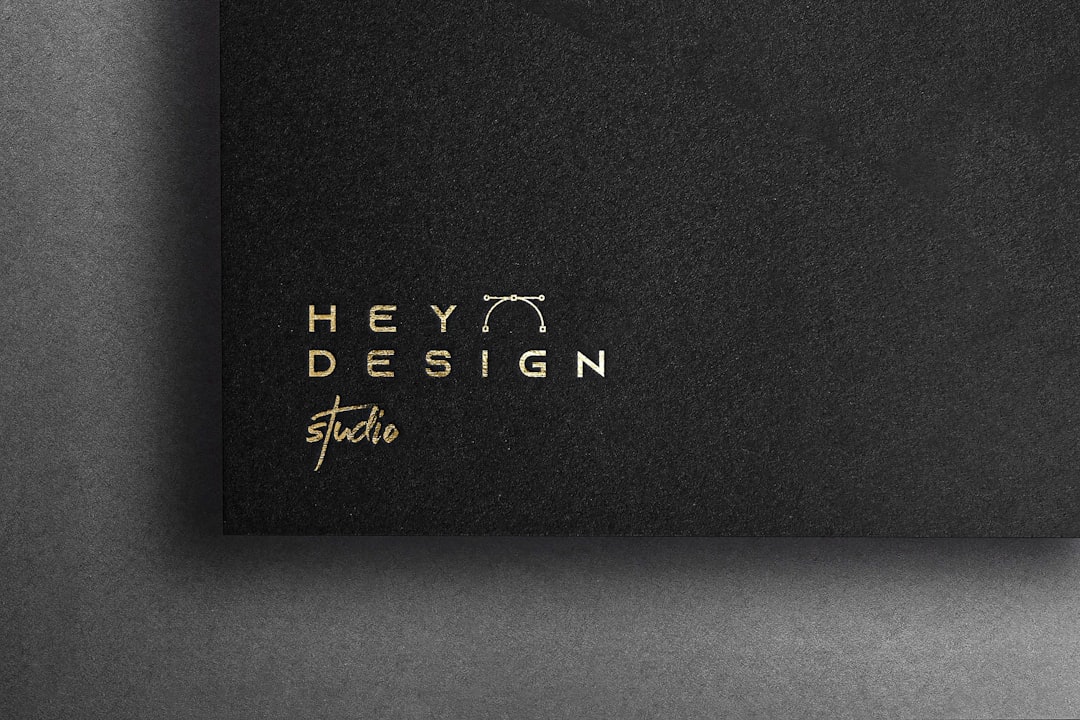
This technique is ideal for industries such as:
- Luxury retail
- Financial services
- High-end real estate
- Creative agencies
Important: Foil works best when paired with restraint. Overuse can diminish its elegance.
6. Vertical or Unconventional Layouts
Most business cards follow a predictable horizontal layout. Choosing a vertical orientation or alternative dimensions instantly differentiates your brand while maintaining professionalism.
Creative but practical sizing options include:
- Vertical orientation
- Square format
- Slim rectangular cuts
The key is practicality. Your design should still fit standard wallets and card holders. Distinction should never interfere with usability.
7. Typography as a Brand Statement
Typography alone can elevate a card dramatically. The right typeface establishes mood before a single word is read.
Guidelines for strong typographic impact:
- Use no more than two fonts
- Ensure hierarchy between name and contact details
- Keep font sizes comfortably readable
- Avoid trendy fonts that may age poorly
Custom typography or subtle kerning adjustments can make even a simple black-and-white card feel bespoke and refined.
8. Die-Cut Shapes That Reflect Brand Identity
Die-cut designs introduce custom shapes that visually echo your industry or brand theme. When thoughtfully executed, a shaped card enhances memorability without sacrificing credibility.
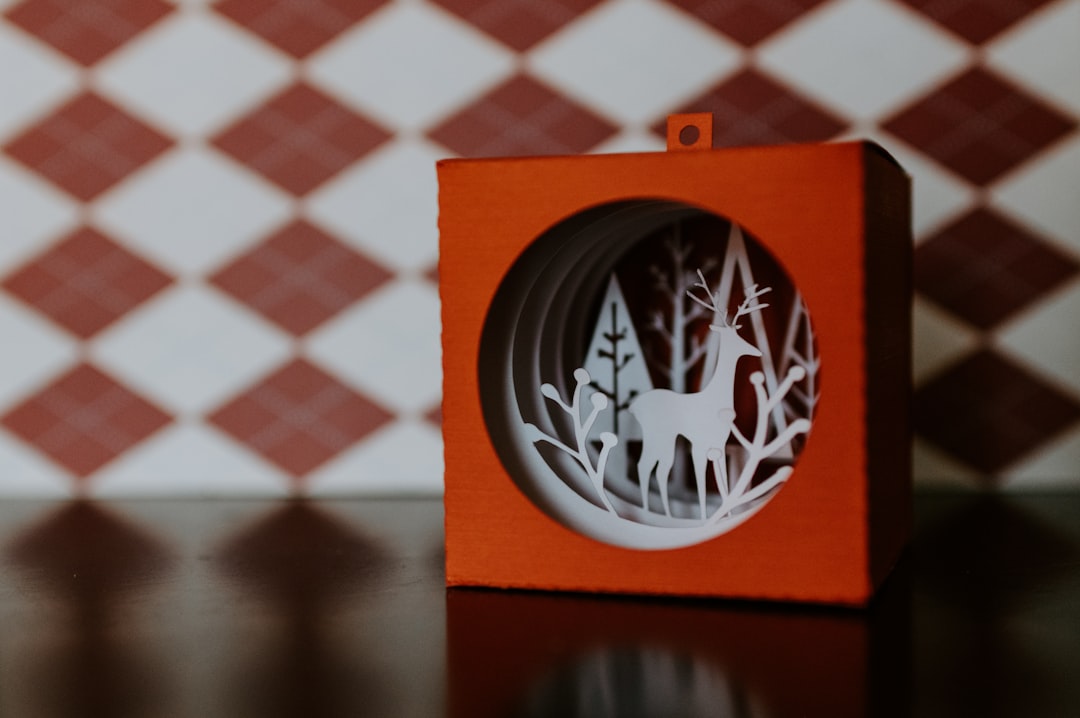
Examples:
- A house-shaped card for real estate professionals
- A camera silhouette for photographers
- A rounded-edge card for a softer, modern aesthetic
This technique requires careful consideration. Overly complex shapes may complicate storage or increase production costs significantly.
9. QR Codes and Digital Integration
Modern business cards benefit from seamless digital connectivity. Including a discreet QR code connects recipients instantly to your website, LinkedIn profile, portfolio, or booking calendar.
Best practices for QR integration:
- Keep it small but scannable
- Place it on the back to preserve clean design
- Test functionality thoroughly before printing
This approach bridges traditional networking with digital efficiency, making your brand appear forward-thinking and convenient.
10. Spot UV and Gloss Accents
Spot UV involves applying a glossy coating to specific areas of a matte card. The contrast between textures adds subtle sophistication and visual interest.
Common applications include:
- Glossy logos against matte backgrounds
- Highlighted names or taglines
- Accent patterns that appear only when light hits
When executed properly, spot UV contributes depth without overwhelming the design’s overall structure.
Comparison of Business Card Design Enhancements
Below is a comparison chart outlining how different design approaches impact brand perception, cost level, and memorability.
| Design Idea | Perceived Brand Impact | Relative Cost | Memorability Level |
|---|---|---|---|
| Minimalist Layout | Professional, confident | Low | Moderate |
| Premium Paper Stock | Stable, high quality | Medium | Moderate |
| Emboss/Deboss | Refined, distinctive | Medium to High | High |
| Foil Stamping | Luxury, prestigious | High | High |
| Die-Cut Shapes | Creative, bold | High | Very High |
| Spot UV Finish | Modern, sophisticated | Medium | High |
| QR Code Integration | Innovative, accessible | Low | Moderate |
Final Considerations for Strategic Impact
Elevating your business card is not about extravagance—it is about alignment. The most effective cards reflect brand strategy, target audience expectations, and industry standards. A lawyer’s card should communicate differently than a graphic designer’s, and a startup founder’s card may look different from a luxury retailer’s.
Before finalizing your design, ask:
- Does this card reflect our brand positioning?
- Is the information clear and easy to read?
- Does the design distinguish us appropriately within our industry?
- Will recipients keep this card?
Business cards remain one of the few physical marketing tools exchanged person-to-person. That moment of exchange carries symbolic weight—it represents introduction, opportunity, and potential partnership.
By incorporating thoughtful materials, refined typography, strategic color choices, and premium finishes, you transform a simple card into a powerful branding asset. Even modest upgrades—such as thicker stock or a clean minimalist layout—can significantly elevate perceived professionalism.
Ultimately, the strongest business cards do not rely on gimmicks. They rely on precision, restraint, and brand clarity. When design choices align with strategic intent, your business card becomes more than contact information—it becomes a lasting first impression.