


Building charts in PowerPoint can feel like trying to fold a fitted sheet. It looks simple. Then it fights back. think-cell is a PowerPoint add-in made to fix that pain. It helps you build clean charts, timelines, tables, and slide layouts faster.
TLDR: think-cell is a strong PowerPoint add-in for people who make lots of business slides. It is best for consultants, finance teams, strategy teams, and anyone who lives inside charts. For example, a team that spends 10 hours a week making reports could save 30% to 50% of that time by using reusable chart tools and automatic formatting. It is not the cheapest tool, but it is fast, polished, and built for serious slide work.
What Is think-cell?
think-cell is a productivity tool for Microsoft PowerPoint. It also works with Excel. Its main job is simple. It helps you create professional charts and slides without losing your mind.
You install it as an add-in. Then it appears inside PowerPoint. You get a new toolbar with chart types, layout tools, and formatting helpers. The goal is to spend less time dragging boxes. And more time telling a clear story.
It is popular with management consultants. It is also used by analysts, finance teams, marketers, and corporate strategists. Basically, if your job includes the phrase “deck by Friday,” think-cell may become your new best friend.
Key Features
think-cell has many features. But the best ones are the chart and layout tools. They solve problems that PowerPoint should have solved years ago.
1. Chart Creation
think-cell makes it easy to build complex charts. You can create:
- Waterfall charts
- Gantt charts
- Mekko charts
- Stacked bar charts
- Clustered column charts
- Line charts
- Scatter charts
- Bubble charts
The best part is that the charts look clean right away. You do not need to wrestle with labels, axes, or spacing. The tool handles much of that for you.
For example, making a waterfall chart in normal PowerPoint can be annoying. You may need tricks, formulas, or manual formatting. In think-cell, you add the chart, enter the numbers, and adjust a few labels. Done. Coffee still warm.
2. Gantt Charts and Timelines
Project timelines are another big win. think-cell lets you make Gantt charts that look neat and boardroom ready. You can add dates, milestones, activity bars, and brackets.
This is helpful for product roadmaps, project plans, and launch schedules. You can update dates without rebuilding the whole slide. That alone may save your afternoon.
3. Excel Data Links
think-cell can link PowerPoint charts to Excel data. When the Excel file changes, the chart can update too. This is useful for monthly reports and dashboards.
Imagine you have a sales deck with 25 charts. Without linking, you may update each chart by hand. That is risky. It is also boring. With think-cell, you can refresh charts from your Excel source and reduce manual errors.
4. Automatic Labels
Chart labels can be tiny monsters. They overlap. They disappear. They sit in weird places. think-cell handles labels much better than basic PowerPoint.
Labels move automatically. They align neatly. They make the chart easier to read. This sounds small. It is not. Clean labels make slides feel more professional.
5. Agenda and Slide Tools
think-cell also helps with slide structure. You can create agenda slides and section dividers. These update across the deck. If you move sections around, the agenda can change with them.
This is great for long presentations. It keeps the audience from thinking, “Where are we?” That is a quiet but deadly meeting problem.
PowerPoint Integration
think-cell feels like part of PowerPoint. That is one of its biggest strengths. It does not force you into a separate design app. It sits inside the tool most business teams already use.
After installation, you get a think-cell menu in PowerPoint. You can insert charts from there. You can also edit data in a small spreadsheet window. It feels a lot like Excel, but simpler.
The integration is smooth. You can move charts, resize them, and style them like other slide objects. You can use your company template too. This is important for teams with strict brand rules.
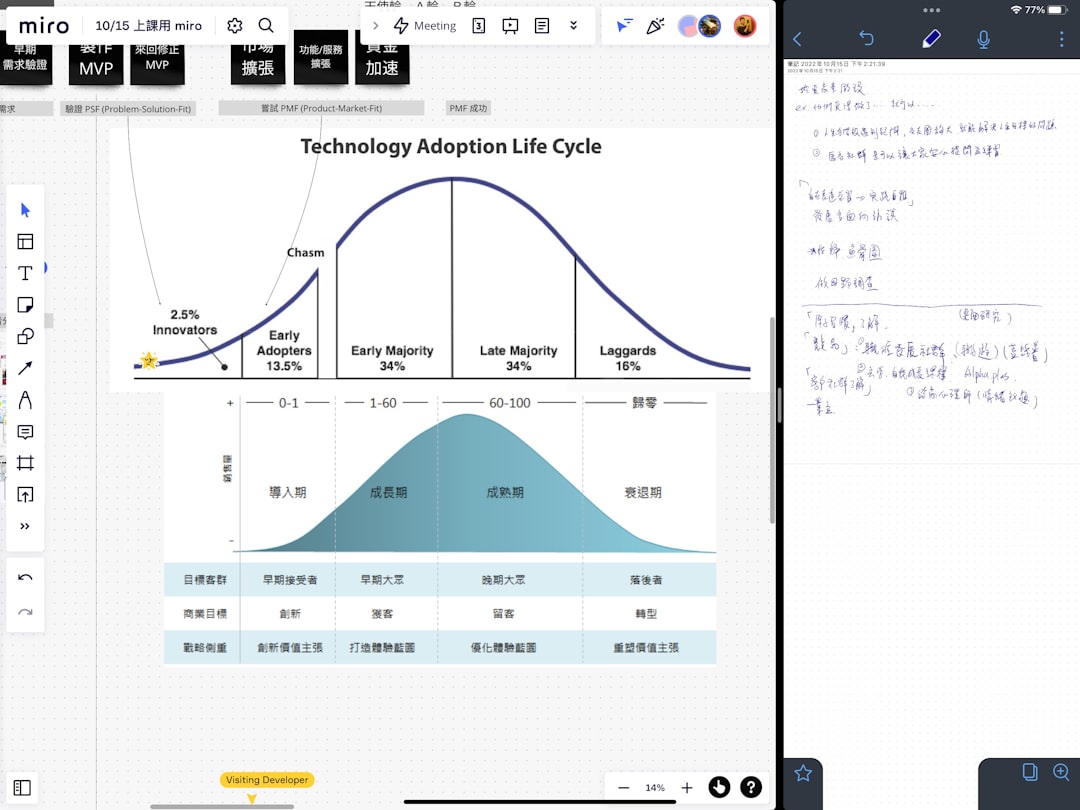
There is also Excel integration. You can connect charts to spreadsheet ranges. This makes repeat reporting much easier. If your team creates weekly sales slides or quarterly business reviews, this feature can be a huge time saver.
The learning curve is moderate. Most users can make basic charts quickly. Advanced charts take a bit more practice. But the tool is logical. It rewards people who make slides often.
What Is think-cell Best For?
think-cell is best for people who need speed and precision. It is not just for pretty slides. It is for slides that carry numbers, timelines, and decisions.
It works well for:
- Consulting decks with many charts and data points
- Finance reports with monthly or quarterly updates
- Strategy presentations with market sizing and timelines
- Project plans with milestones and deadlines
- Executive dashboards where clarity matters
It may be overkill for casual users. If you make one simple presentation every few months, PowerPoint charts may be enough. But if you build decks every week, think-cell starts to make a lot of sense.
Pricing
think-cell pricing is usually based on licenses. The company often sells annual subscriptions, especially for business teams. Public pricing may vary by region, team size, and contract type. So the best way to get current pricing is to request a quote from think-cell.
There is usually a free trial. This is useful. You should test it with a real deck, not a fake one. Try building a report you already know well. Then compare the time it takes.
Is it cheap? Not really. This is a premium productivity tool. But value depends on your time. If an analyst costs a company $60 per hour and saves five hours per month, that is $300 of time saved monthly. In that case, the license may pay for itself quickly.
For small teams, the price may feel high. For large teams that build many presentations, it can be easy to justify.
Pros and Cons
Pros
- Fast chart building for business presentations
- Excellent PowerPoint integration
- Strong Excel linking for repeat reports
- Professional chart styles with less manual work
- Great for consultants and analysts
Cons
- Pricing can be high for casual users
- Some features need practice
- Best value comes from frequent use
- Not a full design platform for creative slides
Best Alternatives to think-cell
think-cell is good. But it is not the only fish in the PowerPoint pond. Here are some alternatives worth checking.
1. Power-user
Power-user is a PowerPoint and Excel add-in. It includes templates, icons, maps, charts, and productivity tools. It is broader than think-cell. It may be better if you want design assets plus slide tools.
2. UpSlide
UpSlide is made for financial and professional services teams. It offers brand control, slide libraries, Excel-to-PowerPoint linking, and productivity features. It is strong for large companies with strict document standards.
3. Mekko Graphics
Mekko Graphics focuses on advanced business charts. It is known for Marimekko and bar Mekko charts. It can be useful for market analysis and consulting-style visuals.
4. Zebra BI
Zebra BI is more focused on data visualization and reporting. It works well with Power BI, Excel, and PowerPoint. It is a strong choice for teams that care about dashboards and financial reporting standards.
5. Native PowerPoint and Excel
Do not laugh. Built-in Microsoft tools have improved. For simple charts, they may be enough. They cost nothing extra if you already use Microsoft 365. But they are slower for complex business charts.

Final Verdict
think-cell is a high-quality add-in for PowerPoint. It does one thing very well. It helps people make clear, professional, data-heavy slides faster.
Its chart tools are the star. The Gantt charts, waterfall charts, labels, and Excel links are especially useful. The PowerPoint integration feels natural. You stay in your normal workflow, just with better tools.
It is not perfect for everyone. If you make simple slides, you may not need it. If budget is tight, the price may sting. But for teams that build reports, pitches, and executive decks all the time, think-cell can be a serious productivity boost.
Bottom line: think-cell is like a power drill for PowerPoint. You can still use a screwdriver. But if you have 200 screws and a deadline, the power drill wins.