


WordPress remains one of the most important publishing and commerce infrastructures on the web in 2026. While growth is no longer defined by explosive adoption alone, the platform continues to influence how businesses, media brands, creators, and online stores acquire traffic, convert visitors, and manage content at scale.
TLDR: WordPress traffic in 2026 is shaped by three major forces: mobile-first browsing, search volatility driven by AI-assisted results, and the continued expansion of content-led commerce. A realistic mid-sized WordPress site with 100,000 monthly visits may now see 60,000 to 70,000 visits from mobile devices, while organic search may contribute a smaller but still dominant share of qualified traffic. For example, a niche publisher that improves page speed, updates old articles, and adds structured data could reasonably lift organic sessions by 10% to 25% over six months, depending on competition and content quality.
WordPress Market Position in 2026
WordPress continues to hold a leading position among content management systems. Public market-share trackers have consistently placed WordPress above 40% of all websites and around 60% or more of the CMS market in recent years. In 2026, the key story is not only how many websites use WordPress, but how much traffic those sites are capable of attracting across search, social, direct, email, and paid channels.
The platform’s broad adoption comes from its flexibility. A small service business can use WordPress as a simple brochure site, while a media company can manage millions of monthly page views with custom hosting, caching, editorial workflows, and advanced analytics. This wide range of use cases keeps WordPress relevant even as website builders, headless platforms, and hosted commerce systems compete for attention.
Traffic Growth Is Becoming More Uneven
In earlier years, many WordPress sites could grow steadily by publishing optimized articles and relying heavily on Google search. In 2026, that pattern is more complex. Search engines are showing more AI-generated summaries, richer answer boxes, video results, forum discussions, and shopping modules. As a result, some informational WordPress sites are experiencing lower click-through rates even when rankings remain stable.
However, the picture is not entirely negative. WordPress sites that provide original expertise, first-party data, strong topical authority, and useful tools are still positioned to earn valuable traffic. The difference is that low-effort content is less likely to perform, while well-maintained content hubs can still see meaningful growth.
Across many serious WordPress operations, the 2026 traffic pattern can be summarized as follows:
- Organic search remains a major source, often representing 40% to 70% of traffic for content-heavy sites.
- Mobile traffic commonly accounts for 55% to 75% of total sessions, depending on the industry.
- Direct traffic is becoming more valuable as brands invest in newsletters, communities, and repeat visitors.
- Referral traffic from social platforms is less predictable, but strong visual content and community engagement still help.
- Paid traffic is increasingly used to support product launches, lead generation, and retargeting rather than broad awareness alone.
Mobile Performance Is Now a Core Growth Factor
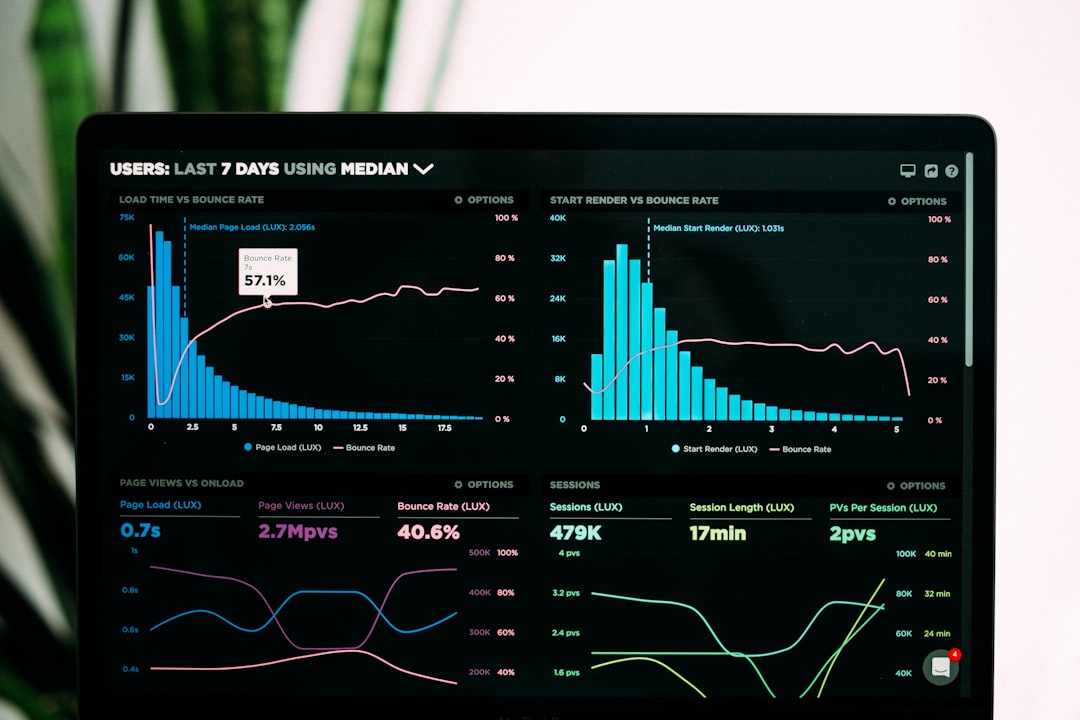
Mobile optimization is no longer a technical improvement; it is a traffic protection strategy. A WordPress site that loads slowly on mobile can lose visitors before the first meaningful interaction. In competitive niches such as finance, health, travel, software, and local services, the difference between a two-second and six-second load time can materially affect rankings, conversions, and revenue.
Site owners are paying greater attention to Core Web Vitals, image compression, lightweight themes, caching, database optimization, and reduced plugin bloat. For larger sites, hosting quality has also become an important differentiator. WordPress can handle high traffic, but only when supported by proper infrastructure.
A practical example illustrates the point. Suppose an online magazine receives 250,000 monthly visits and earns revenue from ads and affiliate links. If 65% of its traffic is mobile and a slow layout causes even a 10% higher bounce rate, the site could be losing thousands of engaged visits every month. Improving mobile speed may not only increase traffic from search but also improve revenue per visitor.

AI Search Is Changing Content Strategy
AI-assisted search is one of the most important traffic trends affecting WordPress in 2026. Search engines increasingly answer simple questions directly on results pages. This reduces clicks for basic definitions, short facts, and generic how-to queries. For WordPress publishers, the implication is clear: content must offer value beyond what an automated summary can easily reproduce.
Successful WordPress sites are responding by creating content with:
- Original analysis, such as benchmarks, surveys, pricing comparisons, and market studies.
- Experience-based writing, including product tests, case studies, and expert commentary.
- Interactive assets, such as calculators, templates, directories, and comparison tables.
- Clear authorship, including expert bios, editorial standards, and citation practices.
- Regular updates to keep statistics, screenshots, recommendations, and compliance details current.
This shift favors better editorial discipline. Publishing more articles is less effective than publishing more useful articles. WordPress remains well suited to this model because it supports structured content, custom post types, schema plugins, editorial roles, and content refresh workflows.
Ecommerce and Lead Generation Continue to Expand
WordPress traffic growth is also closely tied to ecommerce and lead generation. Many businesses use WordPress as the front end of their acquisition strategy, even when payments, customer data, or fulfillment are handled by other systems. Product guides, comparison pages, educational blogs, and landing pages continue to generate qualified visits.
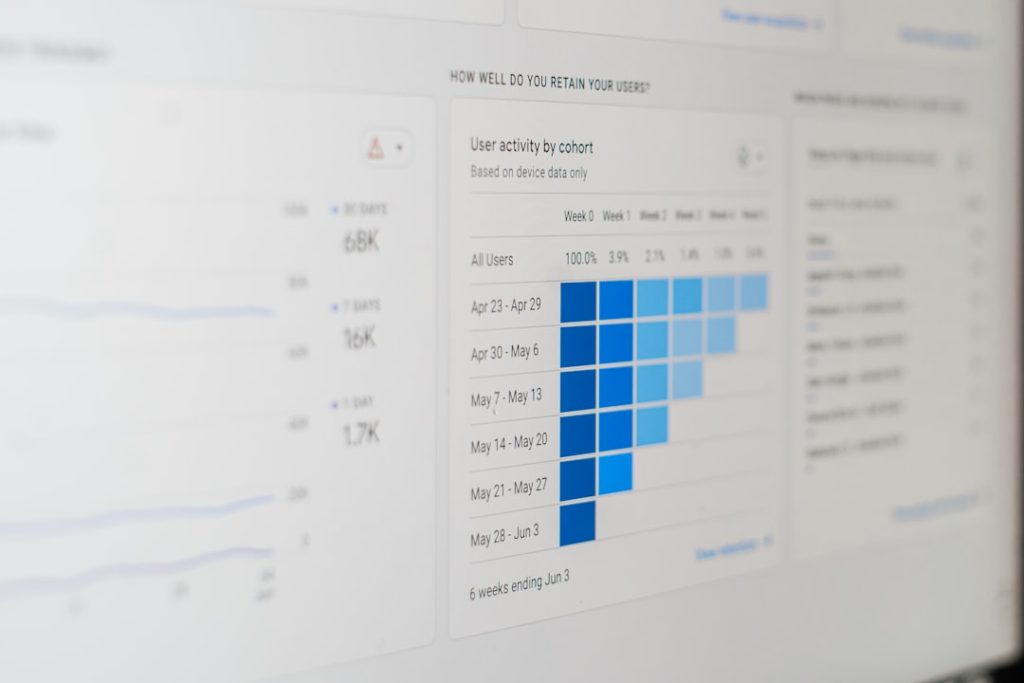
In 2026, traffic quality matters more than raw volume. A site growing from 50,000 to 70,000 monthly visits has not necessarily improved if conversions remain flat. Serious WordPress operators track conversion rate, assisted conversions, revenue per session, email signups, form completions, and customer acquisition cost. The most mature teams connect analytics data with CRM and sales outcomes.
For ecommerce-focused WordPress sites, long-tail search remains especially important. Product category pages, buying guides, and review-style content can drive visitors who are closer to purchasing. At the same time, stronger privacy rules and changes to browser tracking mean businesses must rely more on first-party data and consent-based measurement.
Regional and Industry Differences
WordPress traffic trends vary significantly by region and sector. In mature digital markets, competition is intense, and growth often depends on technical SEO, brand authority, and content differentiation. In emerging markets, WordPress adoption can still grow as more small businesses move online and local-language content expands.
Industry differences are equally important. News and general information sites may face pressure from AI summaries and social platform changes. Local service businesses may benefit from strong local SEO, reviews, and location-specific landing pages. B2B companies often see lower traffic volumes but higher lead value. Educational sites, nonprofit organizations, and government-related publishers may continue to rely on WordPress because of its content management flexibility and relatively low operating cost.

Key Metrics to Watch in 2026
To understand WordPress performance in 2026, site owners should move beyond page views alone. A trustworthy traffic analysis should include both acquisition and business outcomes. The most useful metrics include:
- Organic sessions and changes by keyword intent.
- Mobile versus desktop conversion rates.
- Engagement rate, scroll depth, and returning visitors.
- Top landing pages by leads, sales, or newsletter signups.
- Indexing and crawl trends for large content libraries.
- Page speed metrics, especially on mobile connections.
These indicators help determine whether a WordPress site is merely attracting traffic or building a durable business asset. A smaller but more loyal audience can be more valuable than a larger audience with low engagement and weak conversion intent.
Outlook for WordPress Traffic
The 2026 outlook for WordPress traffic is cautiously positive. The platform is mature, widely supported, and adaptable. Its growth will likely come less from simple market expansion and more from better execution: faster sites, stronger brands, higher-quality content, and smarter measurement.
For organizations investing seriously in WordPress, the opportunity remains substantial. The winners will be those that treat WordPress not merely as a publishing tool, but as a complete traffic and conversion system. In a more competitive web environment, sustainable growth will depend on credibility, technical performance, and content that deserves attention.